New York ComicCon 2015 – Day 1

image

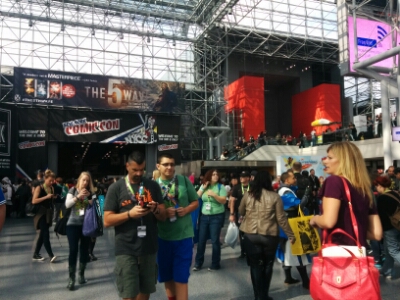
Selected sights and some notes

Arrival: 1:15 p.m.

image

I decided to not visit the show floor and attended as many panels as I could fit in for the next few hours: DC Comics – Master Class/Art History; Vertigo: The New #1s; Geeks in the Stacks: Engaging Your Library Community with Pop Culture; Star Wars Rebels Season 2 Sneak Preview; Sean Bean Brings Legends to NYCC

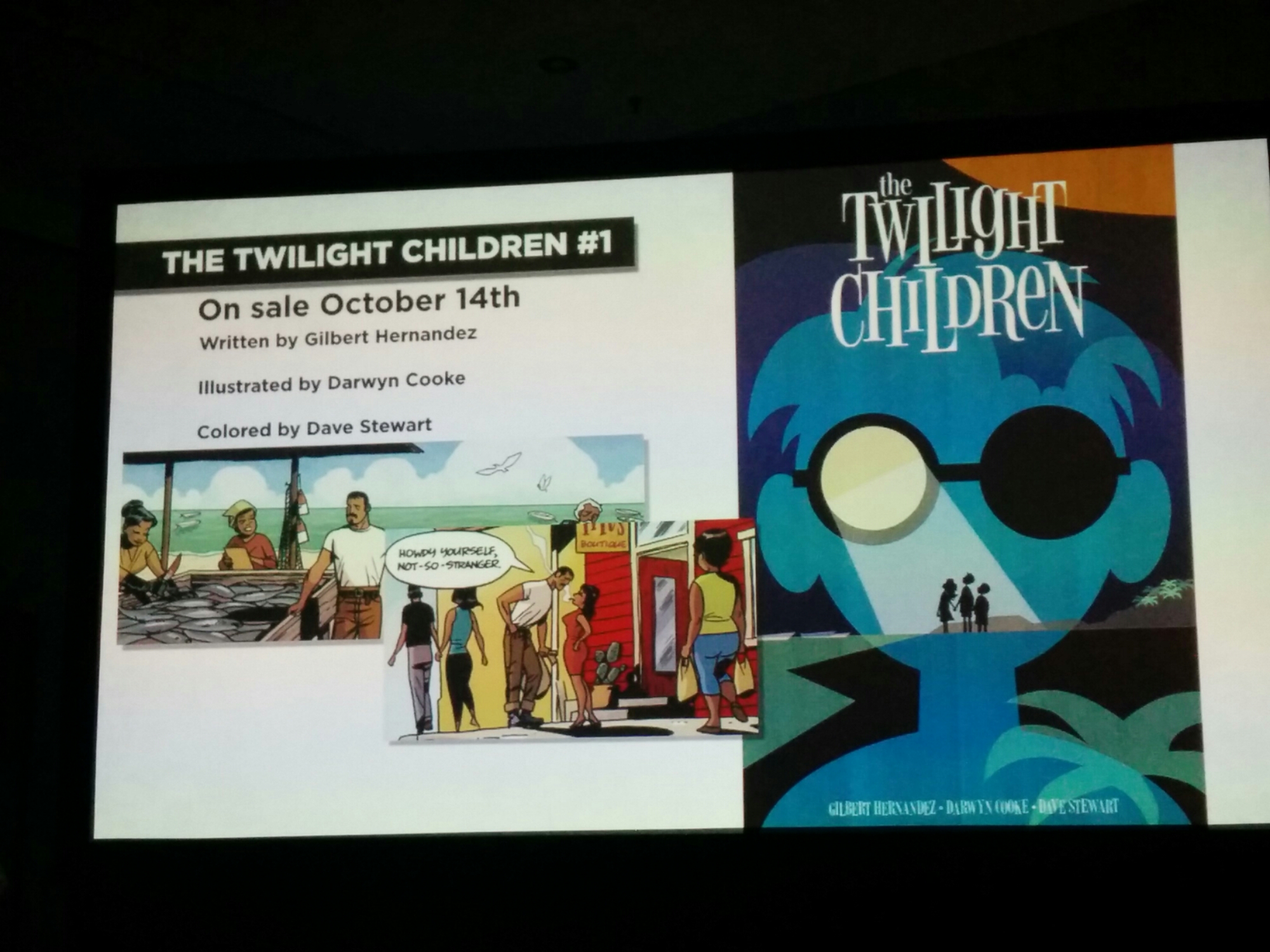
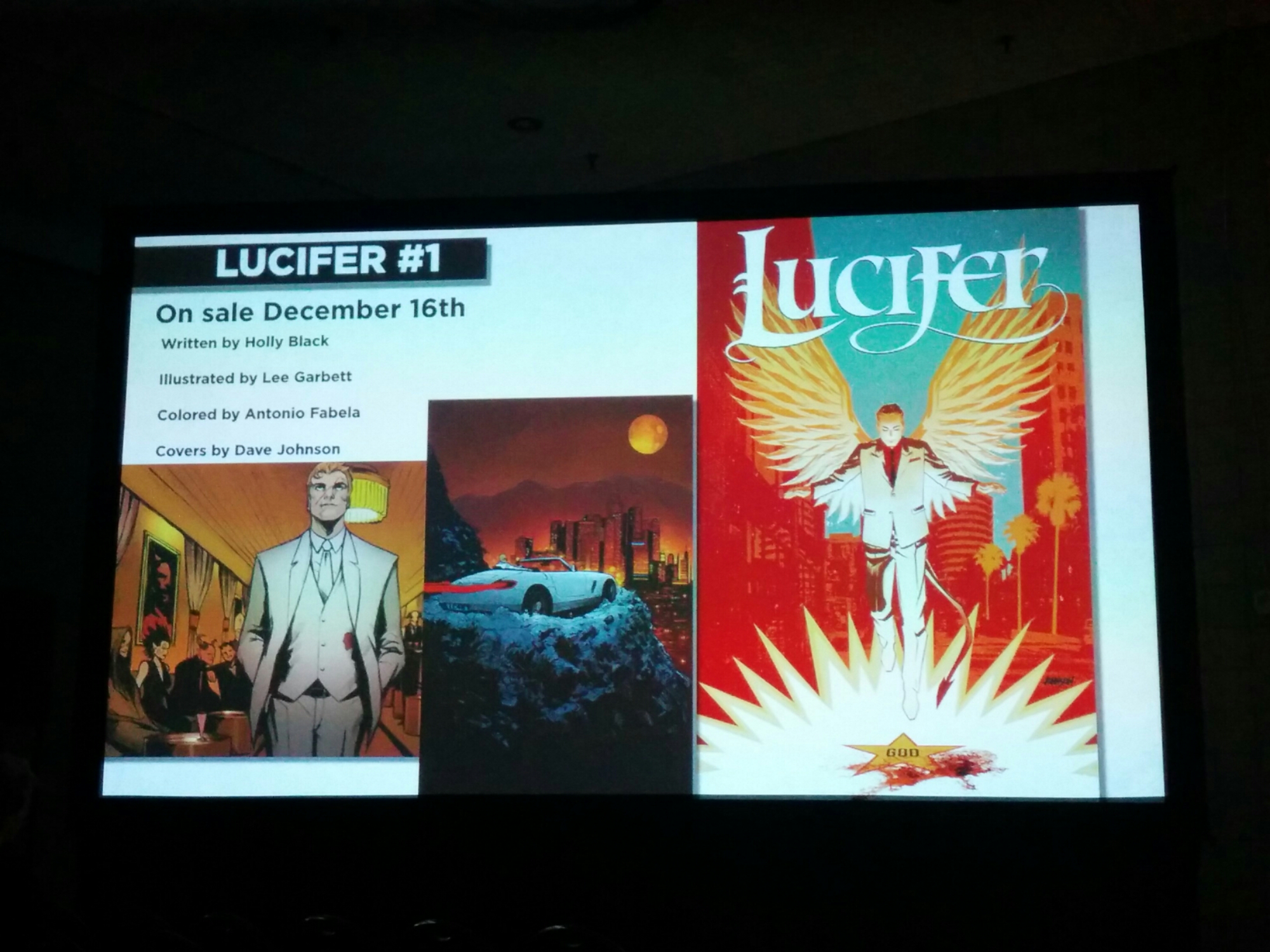
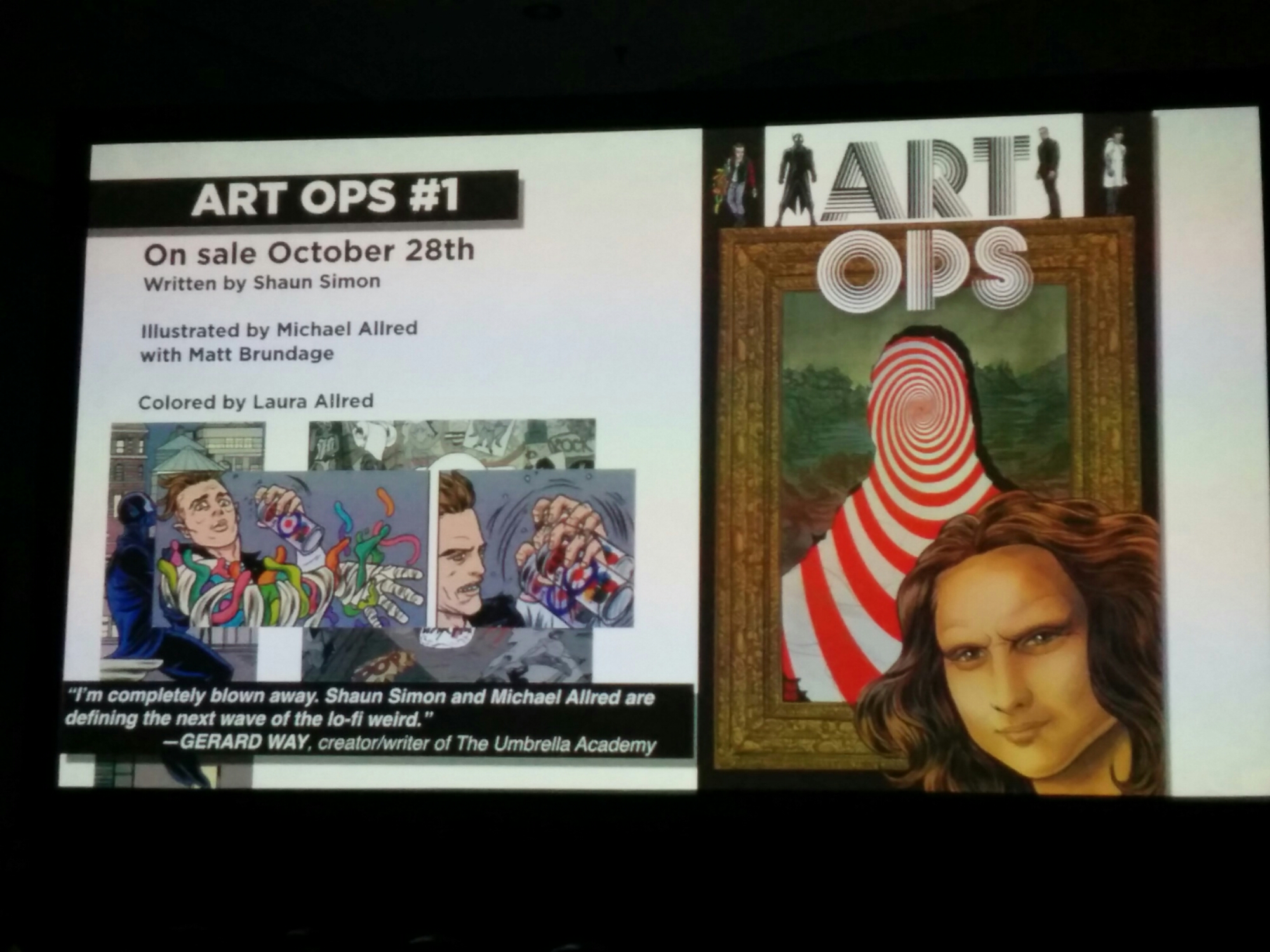
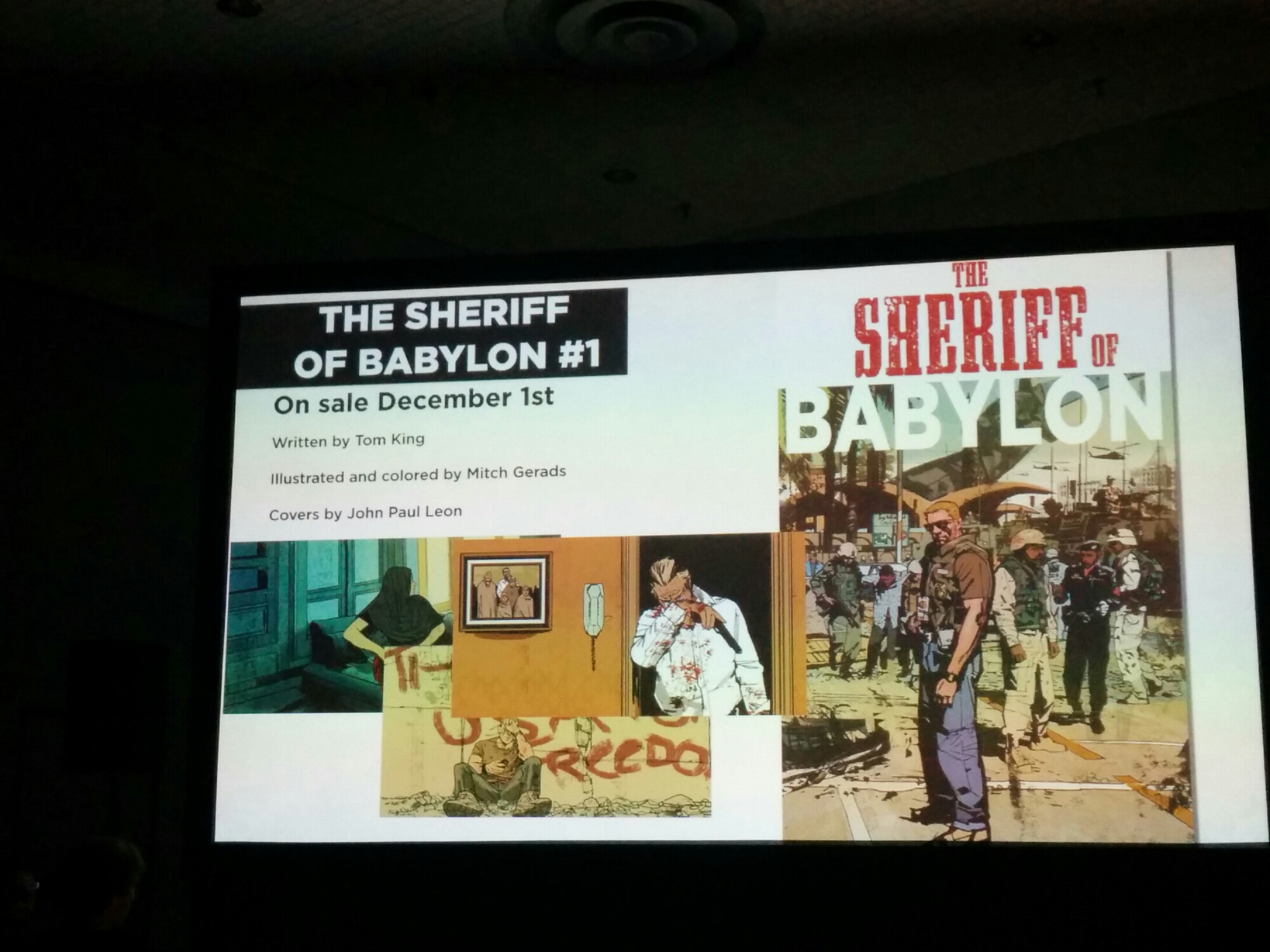
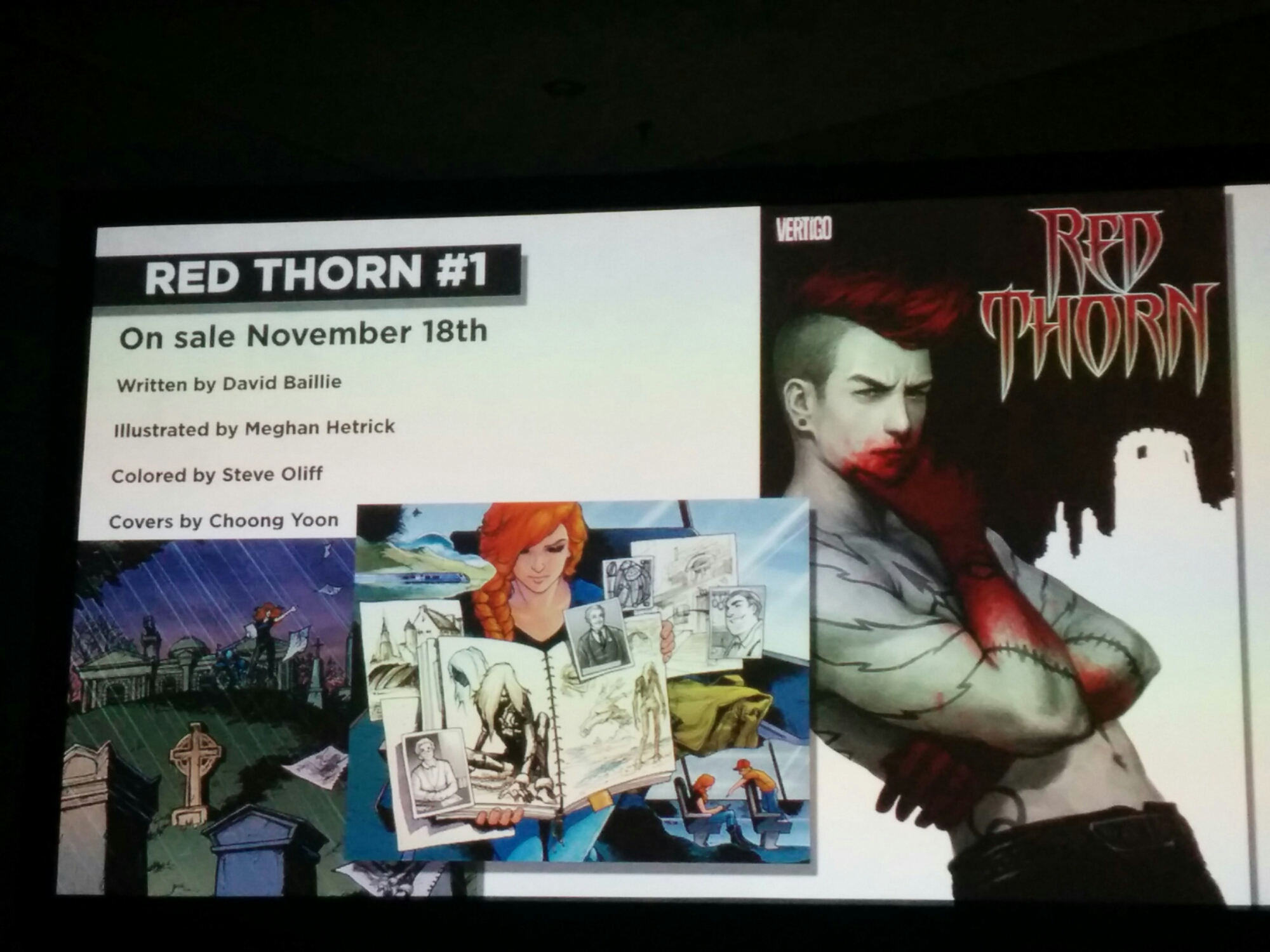
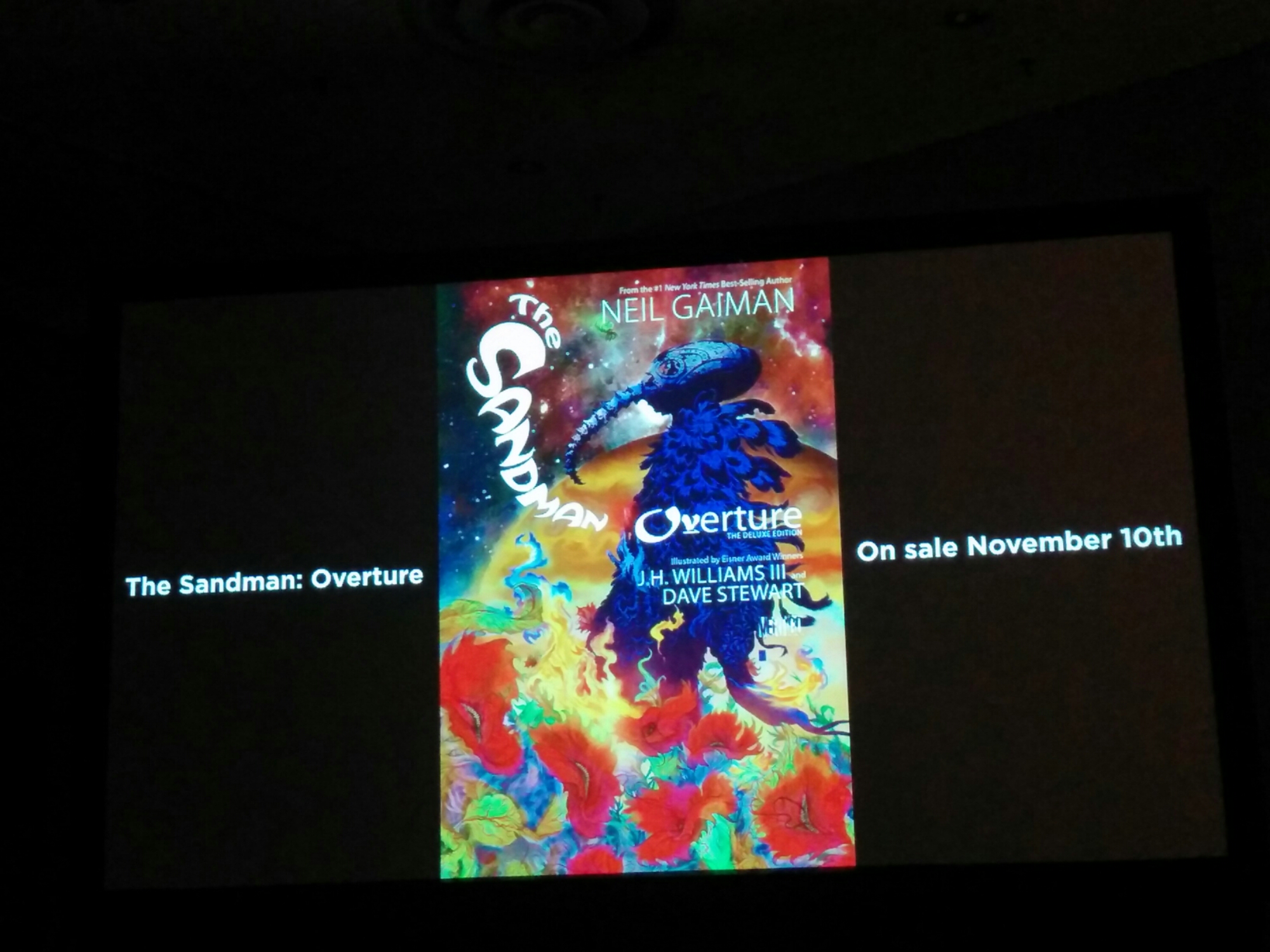
Two of the five events were of greater interest to Graphic Novel lovers and librarians: the Vertigo panel that revealed 12 series titles and the practical advice for librarians and libraries that wish to host their own local Cons.

I am intrigued by these first issues from Vertigo coming out in the next 3 months:

image

image

image

image

image
image

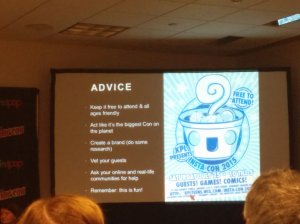
And at the Geeks in the Stacks, teen librarian Ivy Weir gave some on-point practical advice on how to host a library Comic Con:

  • Keep it free to attend and friendly to all ages
  • Act like it’s the biggest Con
  • Create a brand
  • Vet your guests
  • Ask your online and real life communities for help
  • Remember this is fun!

wpid-wp-1444344497003.jpg
wpid-wp-1444344525952.jpg

Leave a comment

Filed under Field Reports

Sunday Select, October 4, 2015

FCLSS
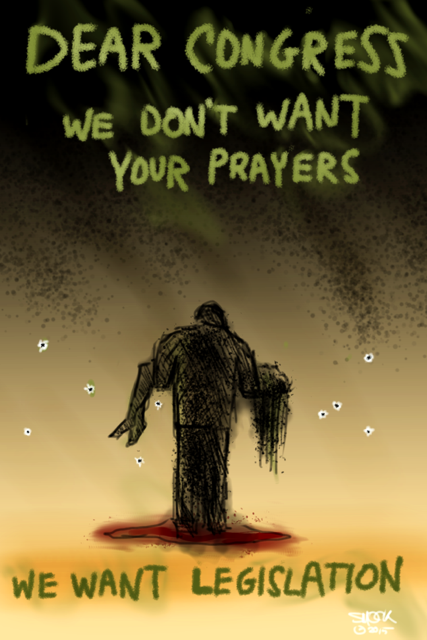
This week’s selection is not a lengthy one but the image quote pins a moment in history that I hope to be a turning point in the United States’ public psyche: and I truly believe that children’s and young adult literature can play a big part in our communal effort to raise conscientious and compassionate next generations.

Quote of the Weekdear-congress-1b

— by Jonathan Schmock
from “Dear Congress” on http://jonathanschmock.com/dear-congress/

Considering Cultural and Emotional Competency

It’s Banned Books Week again. Can we stop yelling at each other about it?: Jacqueline Woodson interviewed by Ron Charles — from The Washington Post

Big News about Hoffman’s AMAZING GRACE by Debbie Reese — from American Indians in Children’s Literature

Patterns of Immigration Excerpt by Roni Dean-Burren  — from Dean-Burren’s Facebook Post

Authors & Books

It’s a Coder! It’s a Teacher! It’s a Kick-Ass Graphic Novelist!: Is Gene Luen Yang from Krypton? by Michael Mechanicook — from Mother Jones

Alice in Wonderland: A Very Important Date by Monica Edinger — from School Library Journal

Alice: 150 Years of Wonderland — Online Exhibit at The Morgan Library

2015 Finalists: Young Readers  — from Kirkus

I gathered these entries from various sources such as Facebook, Twitter, Goodreads, and specific sites that I follow such as Educating Alice, Pub Peeps, Book Riot, School Library Journal, The Horn Book, We Need Diverse Books, American Indians in Children’s literature, etc.

Leave a comment

Filed under Book Notes, Views, WIWWAK

So You Want to Be A Jedi: Star Wars, The Empire Strikes Back by Adam Gidwitz

soyouwantobeajediSo You Want to Be A Jedi: Star Wars, The Empire Strikes Back by Adam Gidwitz, with original concept arts

Really enjoyed much of the book — many of the Jedi lessons are great fun and with the trade-mark Gidwitz caring for a young person’s mind and character. The second person narrative device worked for me and the added extended training segments made me happy. The third person narrative parts about Han & Leia are faithful to the movie but to someone like me who saw the original movie and re-watched it a few times in the past few decades, they can seem a bit bland. I could tell that the imagined audience is actually those who’re young and not exactly familiar with Episode V. Waiting to hear from my 4th & 5th graders of their view.

Leave a comment

Filed under Book Notes

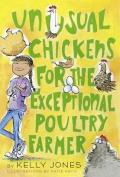
Unusual Chickens for the Exceptional Poultry Farmer by Kelly Jones

unusualchickensUnusual Chickens for the Exceptional Poultry Farmer by Kelly Jones

Definitely a breezy read with some fun bits and pieces. I really like Kelly Jones’ portrayal of Sophie, level-headed, with plenty of normal kid concerns and normal kid courage. Jones included some not-too-heavy-handed tidbits about how others perceive Sophie, being half Mexican American, being viewed as poor, being “presumed” in not-so-flattering ways.

Since my taste runs more toward more saturated kind of fantasy, I wanted the chickens’ powers (and they are amazing powers) to manifest more, stronger, and add more tension to the story.  However, I can also see how this can be quite attractive to those who just want their magic to be more like everyday happenings — not too many world-altering encounters.

My narrative device-detector antenna was definitely alert for this one and wish that the letter-writing device had worked all the way through.  The really really long, as-it-happens, climatic sections did not work all that well for me: not sure when/where Sophie would have been writing to Agnes in the middle of rescuing the chickens and participating in the Poultry Show (and it is apparent that those letters weren’t written after all the excitement as a report, since Agnes would have known all that had happened and wouldn’t have needed such narration of events.)

Leave a comment

Filed under Book Notes

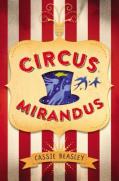
Circus Mirandus by Cassie Beasley

circusmirandusCircus Mirandus by Cassie Beasley

For the most part, the story works, and I did care about the main character and what he was hoping for. The ending is the kind that kid readers always want: the young protagonist actually GOT to enter the fantasy realm, rather than learning some precious lessons on how to hold the magic in one’s heart but knowing that “fantasy world” does not quite exist. So, kudos to Beasley on that front. I was hoping that once we learned the back story of the aunt, I would have had more sympathy toward her behavior but she remained a two-dimensional device and not fleshed out character all the way through. Definitely felt that the writing is a bit plain and some details could be trimmed to tighten the pacing, but totally see it appeal to certain young readers.

Leave a comment

Filed under Book Notes

Sunday Select, September 27, 2015

FCLSSQuote of the Week

Are you ready for a revolution?
As an African-American librarian, I am.
Think about it. It’s 2015, and we still need to campaign for “more diverse books.”
————-
The question we librarians need to ask ourselves is: Are you exposing your users to the full range of authors and literature out there? Are you going out of your comfort zone and reading and learning about authors and sharing that with the community you serve?


— by Shauntee Burns-Simpson,

from A Call to Action for Librarians @ BookRiot

We Need Diverse Books

A Call to Action for Librarians by Shauntee Burns-Simpson — from BookRiot

Ta-Nehisi Coates to Write Black Panther Comic for Marvel by George Gene Gustines — from The New York Times

Lying to Children About the California Missions and the Indians by Deborah A. Miranda — from Zinn Education Project: Teaching a People’s History

China Rich Girlfriend by Kevin Kwan reviewed by Pooja Makhijani — from The Rumpus

The Diversity Baseline Survey — from Lee & Low Books

Authors & Books

Top 25 Books from the 2015 NBA (Neri Book Awards) by G. Neri — from g.neri.com

Some Kids’ Books Are Worth The Wait: ‘They Do Take Time,’ Says Kevin Henkes  — from NPR

Jane Goodall, UN Messenger of Peace  by Monica Edinger — from Educating Alice

Children’s Books Interview – Horn Book Editor, Roger Sutton  — from Miss Marple’s Musings

A Manifesto for Children’s Literature; or, Reading Harold as a Teenager by Philip Nel — from Iowa Review 

I Am Marie Lu: Ask Me Anything  — from reddit.com/r/books

Nielsen Summit Shows the Data Behind the Children’s Book Boom by Natasha Gilmore — from Publishers Weekly

Something Great to Share


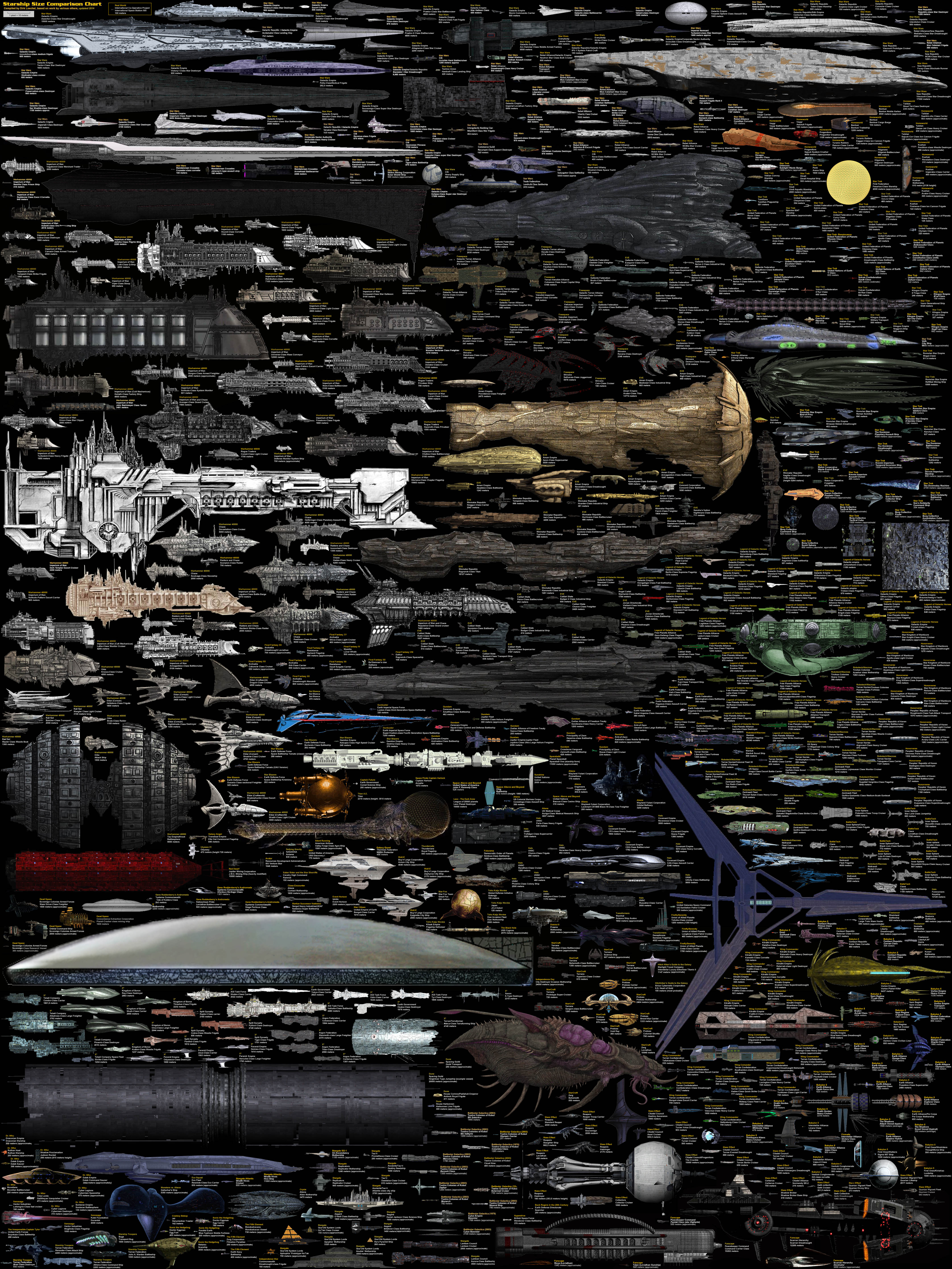
Size Comparison Science Fiction Spaceships by Dirk Loechel — from Deviant Art

(Click on this small partial image to see the full size, high rez original.)

spaceshipslinkimage

I gathered these entries from various sources such as Facebook, Twitter, Goodreads, and specific sites that I follow such as Educating Alice, Pub Peeps, Book Riot, School Library Journal, The Horn Book, We Need Diverse Books, etc.

Leave a comment

Filed under Book Notes, Views, WIWWAK

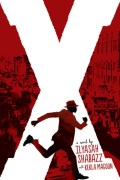
X: A Novel by Ilyasah Shabazz & Kekla Magoon

xX: A Novel by Ilyasah Shabazz & Kekla Magoon

So many of my esteemed colleagues have reviewed this book extremely favorably and some of them told me exactly why they love this book.  They cite the energy in the narrative, the honesty in the young man’s anger, and the eventual growth and redemption of this lost soul.

So I feel like walking on thin ice to say that I didn’t find the novel or the protagonist quite compelling all the way through.  I found the beginning of the narrative strong and powerful.  I was moved by Red’s emotional ties to his mother and siblings; I was convinced that he would find justification of he must steal.  His slow realization of his “place” in the world saddened me.  The refrain of “Just a n****r” is both chilling and makes my blood boil!  And one cannot easily forget his witnessing a lynched body and the connection to the song “Strange Fruit.”

But then… we have 200 pages more of Malcolm engaged in various illegal activities, and continuously excusing himself because of his sorrowful past, family situation, societal reality, etc. I understand that all of these are based on real events, family stories, and Malcolm’s own words. I can only speak for myself as a reader how after a while it felt more tedious than compelling. The pacing went from tight to sloppy.  I got quite impatient and did not feel empathy or sympathy toward him.  Perhaps that’s not the intent of the author but it was difficult for me to want to follow his next missteps since I stopped caring.

The final payoff of X’s enlightenment comes very late and lasts very briefly within the confine of this novel. The book ends before his important life’s work begins.  For many who already know quite a bit about Malcolm X, his personal narrative, his rage, and his complex relationship with the Nation of Islam, the ending is but a beginning — we know what he would become.  And the book includes extensive after matter to detail Malcolm X’s achievements.  I just wonder what impression this “novel” of Malcolm X leaves a younger reader.

I also wonder how the pacing feels and my emotional engagement might have been different if the narrative voice had been a more universal third person, so that I could understand his internal struggle and also observe his external charms and charisma (and not just being told by the protagonist that “people seem to be drawn to me” or “girls like me.”)

Leave a comment

Filed under Book Notes

Notes from Beijing: Chinese Children’s Books and Other Thoughts, Part 1

FCLBeijingThese thoughts went through my mind as I visited Beijing and the International Book Fair with a focus on the local books published for the Chinese young readers.

First, simply about communication and information exchanges.

It was quite an education for me to truly understand that the “WORLD” wide web as I see and use it is definitely NOT so “world wide.”   YouTube, Google-platform, Facebook, and Twitter are all inaccessible in China, unless someone has installed IP masking devices (VPN, etc.)   So, when I tweet or share something on Facebook from New York City, I cannot guarantee to reach the millions of potential internet users in China.  According to the editor of one of the publishers, Fairrosa Cyber Library site often shows up without her being able to load the included images — and no YouTube videos can be displayed either. Furthermore, since my recent reports on Newbery & Caldecott winning publishers feature Google spreadsheet graphs (pie-charts), the information, without a plain text summary, was inaccessible to the Chinese readers of my blog.

Although I always knew about the differences in accessibilities of certain sites in China, experiencing it first hand definitely made me think twice about my comfortable assumptions.

Another striking realization came after I spoke with several representatives of major children’s book publishers: either with the editors, publishers, or rights managers: each told me that they have all sold their best titles internationally.  Upon further inquiry, “internationally” means Korea and other Asian countries such as the Philippines, and France, and other European countries such as Germany.  They almost NEVER meant North America, especially The United States.  They all told a similar tale: the U.S. publishers of children’s books only wish to sell Chinese language rights and have the books available in China for sale; very rarely would a U.S. publisher seriously consider buying and translating Chinese originals into English editions for American children.  I wonder if this situation will change any time soon?

I have always noticed that translated children’s books are scarce on the U.S. market and felt sad that the U.S. children do not have the same level of exposure to world literature and diverse viewpoints and sensibilities that I had the good fortune to have, growing up in a small island country.  I read books translated from all over. Some of my all time favorite books that were re-read many times were from Italy (Heart or Education of Love), France (Arsène Lupin: Gentleman Thief series), Cuba (Malfada – a satirical comic strip series), Japan (manga) and India (Buddhist allegories.)  And while there have always been publishers who work hard at bringing books from other cultures to the U.S., there seems to be some difficulty to sell these titles when the cultural landscape and sensibilities differ greatly from the everyday, presumed mindset of the U.S. children.

Case in point: One thing I noticed was how the strong Chinese tradition of not shying away from sad endings remains evident even in picture books for fairly young children.  Tragedy is quite common in traditional Chinese literature, theater, and now TV shows and movies, and children are often familiar with many somber tales.

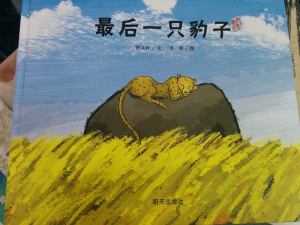
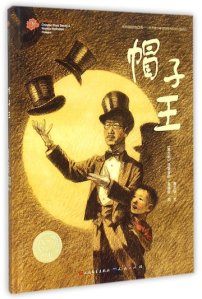
Take these two books by Cao Wenxuan (曹文轩) for example:

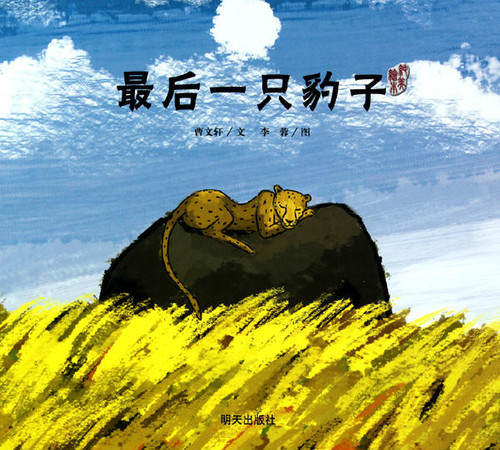
lastpatherThe Last of the Panthers shows the devastating scenario of the “last” of many species and there is no uplifting or hopeful ending when our Panther gives up on itself and falls into the perpetual sleep.  It is heart wrenching but so effective.  A young person reading the simple text and looking at these gorgeous pictures would acutely feel the pang of loss of such majestic animal and might be inspired to be more responsible in caring for our natural world.
kingofthecapAnother title is the Hat King.  A story set during the Sino-Japanese war when the boy and his grandfather (a magician skilled in “hat tricks”) had to endure the deaths of the boy’s parents at the concentration camp and even when they successfully escaped from the camp, they had no house to go back to any more.  And that’s how the tale ends. This is a story almost never told to the children in the U.S. It’s powerful and bleak — but it’s also real and full of familiar affection.

Will either of these titles, which are top-selling picture books, or dozens of other quality peers, ever find their way to the general U.S. mass market? And if and when they do, will they be translated faithfully and stay intact?

7 Comments

Filed under Field Reports, WIWWAK

Sunday Select, September 20, 2015

FCLSSQuote of the Week

American audiences are capable of so much more than some in your industry imagine. And if we can break that down to what I really mean, I mean this: White Americans can care about more than just themselves. They really can. And the rest of us? We are DYING to see ourselves anywhere.

To be clear: I’m not asking for altruism here. I worked in corporate America for 20 years before I put my book out; I know the stakes, the economics. What I am saying makes solid, actual business sense: There is a vast, untapped audience out there. You need to get to us.

— by Mira Jacob,

from “I Gave A Speech About Race To The Publishing Industry And No One Heard Me” via BuzzFeed

Race & Cultural Literacy

Why a White Blog? by Allie Jane Bruce — from Reading While White (This is the inaugural post of the new blog.)

Author Cornelia Funke Launches Own Publishing Company by Wendy Werris — from Publishers Weekly (Her decision was made due to stylistic and also cultural conflicts with Litte, Brown.)

I Gave A Speech About Race To The Publishing Industry And No One Heard Me by Mira Jacob — from BuzzFeed

Awards, Authors & Writing

The National Book Award announcement of the ten titles that made the long list for the Young Readers category — from The New Yorker

Omission: Choosing what to leave out by John McPhee — from The New Yorker

The Walking and Talking series by Steve Sheinkin — from A Fuse8 Production/SLJ

This web comic series features interviews with children’s authors conducted and drawn by Steve Sheinkin, hosted on Fuse8, since September 2014. Here are the six installments so far:

I gathered these entries from various sources such as Facebook, Twitter, Goodreads, and specific sites that I follow such as Educating Alice, Pub Peeps, Book Riot, School Library Journal, The Horn Book, We Need Diverse Books, etc.

Leave a comment

Filed under Book Notes, Views, WIWWAK

Sunday Select, September 13, 2015

FCLSSQuote of the Week

It is long past time for the industry to move past concerns over what–if anything–dominant voices lose when publishers actually choose to publish and promote minority voices over dominant ones. It is long past time to move past that old debate of who-can-write. Moving past that debate means I want to see publishers actually doing what Lasky feared so that more books by minority writers are actually published.

— by Debbie Reese,

from American Indians in Children’s Literature

Cultures – Insiders, Outsiders, Tangled Knots

Deborah Wiles, Debbie Reese, and Choosing a Revolution by Debbie Reese — from American Indians in Children’s Literature

A Tumblr Post about Writing the Other by Maggie Stiefvater — from Content of Maggie Stiefvater’s Brain

A Tumbler Post Response about Maggie Stiefvater’s Tumblr Post  — from La Lune Rousse

A Response to Colten Hibbs and Maggie Stiefvater on Writing the Other by B R Sanders — from Clatter and Clank

The White Poet Who Used an Asian Pseudonym to Get Published Is a Cheater, Not a Crusader by Katy Waldman — from Slate

Sherman Alexie Speaks Out on The Best American Poetry 2015 by Sherman Alexie from The Best American Poetry Blog

News, Awards, Authors

Marvel’s First Native American Hero Is Getting A Standalone Comic Series by James Whitbrook — from io9

Lee & Low Books: New Visions Award (Deadline 10/31/2015) — from Lee & Low Books

First WNDB Short Story Winners  — from We Need Diverse Books

2016 Spring and Summer Favorites? by Nina Lindsay — from Heavy Medal/SLJ

Alex Gino on Debut Novel, “George”, and the Importance of Transgender Voices in the Kid Lit World by Kiera Parrott — from School Library Journal

Goodreads YA Interview – Andrew Smith on Alex Crow

Leave a comment

Filed under Book Notes, Views, WIWWAK

The Three Body Problem by Liu Cixin

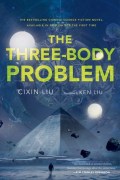
threebodyproblem The Three Body Problem (三体)by Liu Cixin(刘慈忻),translated by Ken Liu

This is a rare experience for me since my encounters with Science Fiction tend to be on the “soft sci-fi” end: where the details of the science employed by the authors are often quite flexible to suit the narrative needs of the tale.  This is Hard Science Fiction and I was absolutely fascinated (even while I didn’t quite understand them) by the explanation of the Three-Body physics problem, the unfolding of protons into various dimensional modules, and how radio waves are delivered and received, etc. However, what compelled me to keep on reading was the realistic and unflinching depiction of the story’s backdrop (from Cultural Revolution era to contemporary China,) the underlying multiple and somewhat conflicting philosophies about human nature, the life story and struggles of one of the main female characters, and the kinship I feel with a specific type of online gaming.

The author honestly and boldly laid out the views of his characters (and one can choose to side with or against whichever view) and the translator faithfully captured and presented the analytical and yet deeply emotional landscape of the story.

Let’s celebrate this book’s 2015 Hugo Award win for being a solid hard science fiction and for being the very first Hugo novel winner penned by an Asian author.

2 Comments

Filed under Book Notes

Notes from Beijing: First Impression of Chinese Children’s Publishers

FCLBeijingFor the past 25 years, I immersed myself in the world of English Children’s and YA Literature: the output by writers, illustrators, and publishers from the U.S., the U.K., and Australia, mostly created in English.

This year (and hopefully for years to come,) my focus has shifted: I’d love to see what’s going on in the Children’s Literature world in my own mother country: China (including Hong Kong and Taiwan.)  And if possible, I’d love to serve as a bridge to connect the U.S. readers (young and not so young) with contemporary children’s literature created in China, by Chinese writers and illustrators, originally written in Chinese.  I’d love to help expand the U.S. readers’ understanding and reception of that vast treasure.

The first step was for myself to get to know that “vast treasure” a little more.

This and a few forthcoming posts are to share my first impressions:

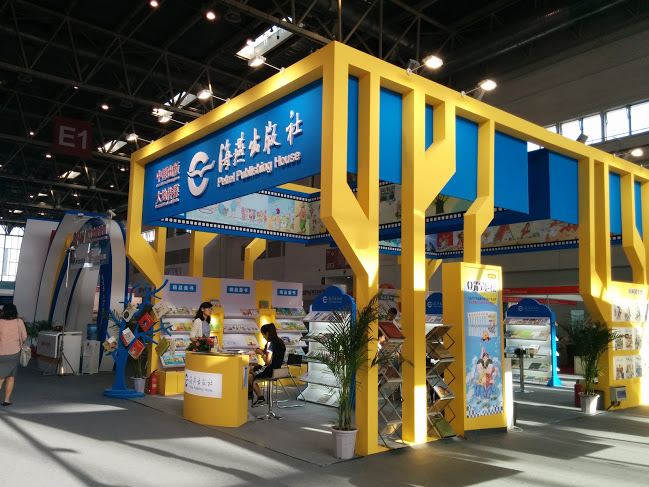
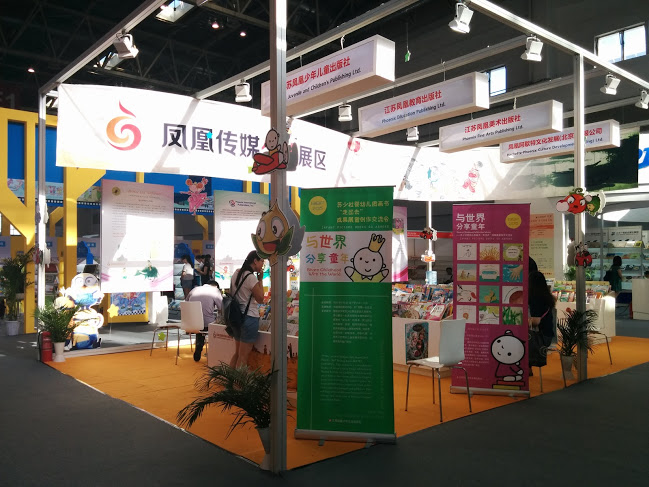
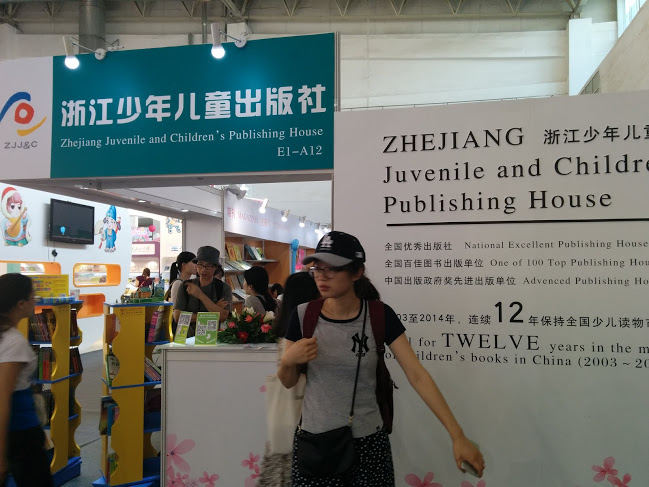
During this year’s BEA (in NYC) and at Beijing International Book Fair, I learned a little about how Chinese publishers and Chinese children’s publishers function structurally.  As evidenced in these few photos, most publishers are attached to some huge publishing “groups,” all following a detailed government issued publishing guideline.  Each Province or Special District has its own Publishing Group that often contains more than a dozen publication specialty companies — we can consider them “branch publishers:”

This is Sichuan Publishing Group: the branch publishers range from Science, Culture & Arts, Literature, College Textbooks, Maps, and Children’s publishing companies.
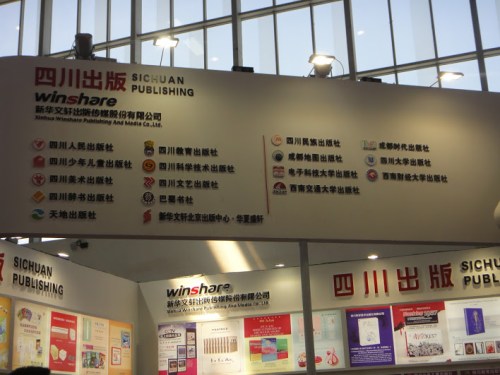
sichuangroup

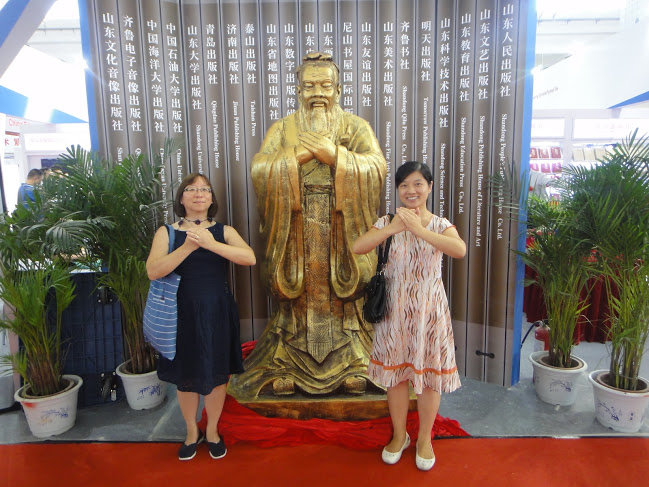
Below is Shandong Publishing group’s display of Confucius (Shandong being his birth place) statue and all the sub groups: Science, Culture & Arts, Multi-Media, and Children’s publishers, etc.  (The children’s branch of this group is the Ming Tian – Tomorrow – publisher that brought us many high quality children’s picture books in the past decade or so!)shandonggroup
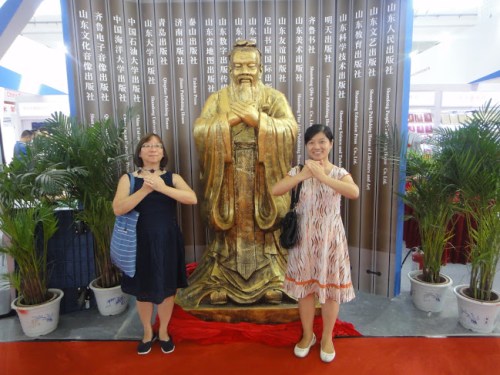
And when a Children’s Publishing branch is successful, it gets a separate booth at the Children’s Literature exhibit area:

Hai Yan (Petrel)

haiyan

Feng Huang (Phoenix)

fenghuang

Shao Nian (Young People)

shaonian

Jie Li (Relay)

jieli

CCPPG (China Publishing Group)

CCPPG

Zhe Jiang Shao Nian Er Tong (Zhejiang Province Children’s)
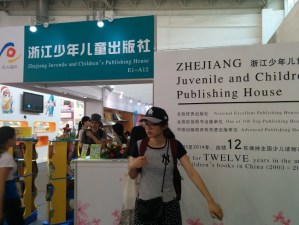
Zhejiang

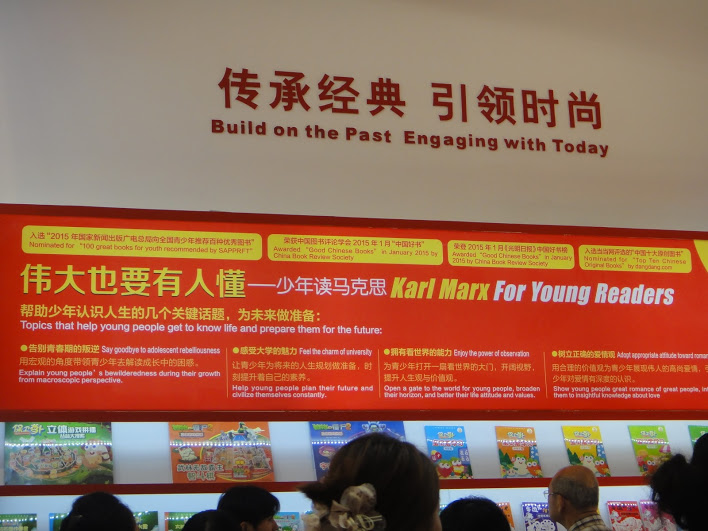
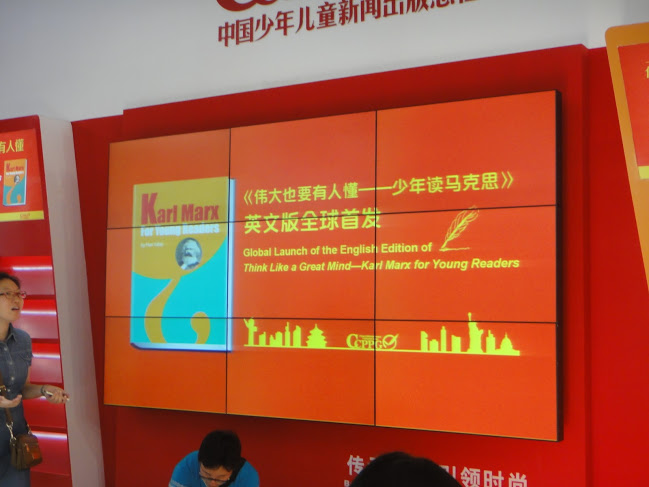
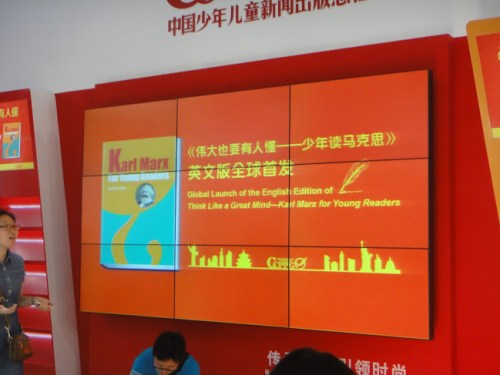
There seems to be plenty of creative autonomy within each individual branch.  However, the publishing guidelines and government mandates are not that hard to detect.  For example, since the third entry of the “essential missions” in the official publishing guidelines stresses the ideal of disseminating and upholding the doctrines of Marx, Lenin, Mao, and Deng, this following publication isn’t much of a stretch by one of the biggest children’s publishers, China Children’s Press & Publication Group (CCPPG):
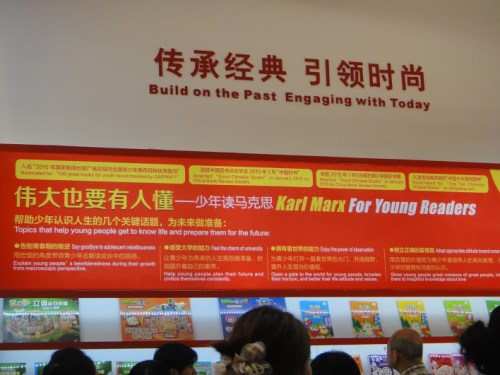
karlmarx

karlmarxenglish

And although Chapter 3, entry 27 states that the publication aimed at minors may not contain materials “luring youth to mimic anti-social and anti-moral behaviors and criminal acts” or “featuring terrifying and cruel content that might harm the mental and physical health of youth,” Hunger Games (both in English & in Chinese translation) trilogy sells extremely well in China.  (So are Maze Runner, Percy Jackson, Divergent, Twilight, etc.)
4 Comments

Filed under Field Reports, WIWWAK

The Alex Crow by Andrew Smith

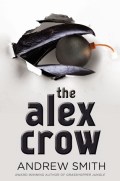
alexcrowThe Alex Crow by Andrew Smith was a baffling read from the beginning to the very end.  Baffling but fascinating, engaging, engrossing, moving, and thrilling. I didn’t know where the story was heading and in the end, I wasn’t quite sure where I have been: spanning time and space, from the icy pole in the 1800s to the summer heat of an American summer camp now (?) — encountering the Melting Man (literally,) the refugee boy, the eccentric scientists, the Dumpling Man, and many others.  Or even where we eventually arrived — are we to be pleased with Ariel’s final situation, bonded with his adopted brother and their new found friend, no longer being closely monitored?  Are we to continuously be paranoid of how our lives might be closely examined by unknown forces and crazy scientists?  At least I know to unconditionally love Ariel for his intelligence and compassion.
Since earlier this year’s brouhaha about Andrew Smith’s “lacking” in inclusion of positive female characters in his work, I couldn’t help but noticing that in this book the readers only encounter two real life women: one is a completely ineffective mother figure and the other is a terrifying scientist whose goal is to eliminate all males from the human species.  (I’m not counting the two imaginary women in the Melting Man’s schizophrenic head.)

Of course, introducing compassionate and caring characters (male or female) will result in a completely different story: one that simply wouldn’t have been as brutal to such extreme and thus wouldn’t have had the same level of impact.  If the point is to portray a world for Ariel and his buddies to “survive” in without the physical or emotional support of kind souls, Smith succeeded brilliantly.

And I must mention his ability to effortlessly switch into drastically different narrative voices!  A skilled writer, indeed!

Leave a comment

Filed under Book Notes

Sunday Select, September 6, 2015

FCLSSQuote of the Week

Don’t even think about publishing until you’ve actually started writing, and don’t even think about writing until you’ve done a whole lot of reading. And not of websites or how-to guides; that’s just dilly-dallying. Read children’s books. Lots of children’s books. Although my grumpiness is resurfacing to tell you that if you haven’t already read lots of children’s books, for love, I’m probably not going to be interested in what you think you have to contribute. Harshing your buzz? Deal with it and dig out your library card.

— by Roger Sutton,
Editorial of the September/October 2015 Issue of The Horn Book

Books & Book Lists

Goodbye Stranger by Rebecca Stead, reviewed by Elizabeth Bird– from School Library Journal

The Alex Crow by Andrew Smith, reviewed by Jason Reynolds — from The New York Times

George by Alex Gino, author interview by Kiera Parrott — from School Library Journal

Nonfiction Picture Book Wednesday: Recent and New Releases by Alyson Beecher — from Kid Lit Frenzy

3 Filipino Folk Tales That Would Make Great YA Novels by Angel Cruz — from Book Riot

Happenings and Musings

Read Before You Write by Roger Sutton — from The Horn Book

Diversity Survey Deadline Nears by By Jim Milliot — from Publishers Weekly

The Opposite of Colorblind: Why It’s Essential to Talk to Children About Race by Hannah Ehrlich — from Lee & Low Books

Ratcheting Up the Rhetoric by Charles Blow — from The New York Times

Literary and Entertaining

The Bay of the Dead, a Facebook Photo Story by M.T. Anderson — from Facebook

17 Things We Wish Had Happened in Harry Potter by Gwen Glazer — from The New York Times

Where the Magic Happens: Children’s Illustrators Open Up Their Studios – in pictures by Jake Green — from The Guardian

Leave a comment

Filed under Book Notes, Views, WIWWAK

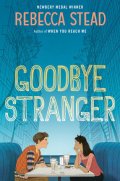
Goodbye Stranger by Rebecca Stead

goodbyestranger Goodbye Stranger by Rebecca Stead

How does an author who already won so many accolades to continue pushing herself for such new heights?

This book has no surprising twist ending: magical or SciFi-esque; it has no flashy mystery elements; it is set in an ordinary school with ordinary middle school students — but yet, one cannot stop reading it because we as readers care so much about the interior lives of the characters (three “main” plus the supporting cast).  It makes one feel compassion and empathy towards all who behave “well” and who might have some questionable motivation.  It also makes readers marvel at the author’s ability to write a “quiet” book that speaks so loudly on the reality of being a young teen who must navigate the treacherous waters of friendship, social dynamics, and power-structure.

Leave a comment

Filed under Book Notes

Notes from Beijing: Children’s Book Authors & Companies

FCLBeijing

On my 10-day trip to Beijing in August 2015, attending the Beijing International Book Fair and meeting with various publishers, editors, and booksellers, I collected some names and information to share.  In this post, three authors, three publishers, and one mega store are mentioned, but of course there are more in that vast land full of talented and passionate children’s book creators!  As I learn more about specific titles, I will continue to report.

Three Authors

One of the most revered current children’s book author is 曹文轩 Cao Wenxuan (pronounced “tsau wen-shuan”)。He teaches Chinese literature and children’s fiction writing at the Beijing University and is sought after by many Children’s book publishers for fiction, picture books, nonfiction, and editorial advisory on book series.  His picture books tend to be philosophical in nature, slightly wordy, and not shying away from presenting harsh realities to even the very young.  Here’s a link to a short info on Wikipedia.

最后一支豹子

The Last Leopard

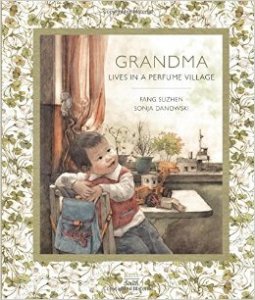
grandmalivesinaperfumevillageA book recently translated and published by NorthSouth Books by a Chinese author is Grandmother Lives in A Perfume Village by 方素珍 Fang Suzhen.  Fang is a Taiwan native and has become really popular in China and is nicknamed “Granny Flower” (花婆婆) who has a literary blog and advises parents on how to share children’s books with their children.  She’s the Taiwan translator for Barbara Cooney’s Miss Rumphius (Granny Flower).  Fang’s blog is in Chinese.
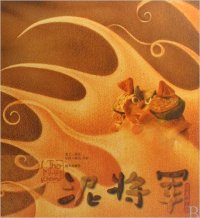
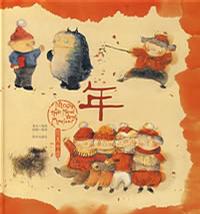
I fell in love with many of the picture books by 熊亮 Xiong Liang (pronounced shuong liang).  Mr. Xiong is both an illustrator and an author with the uncanny ability to tell very moving stories with very few words and simple story arcs.  I hope many non-Chinese readers will eventually get to appreciate his work.  Here are a couple cover images:

泥

The Mud General

年

Nian the New Year Monster

Three Publishers

These three publishers all have their own visions and skilled editors to bring Chinese children the highest quality contemporary original works.  The official and formal descriptions do not do their justice!

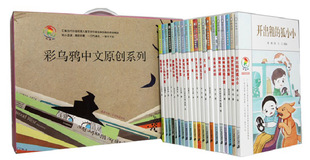
21 Century Books and its 20-volume set of original middle grade novels by Chinese authors definitely captured my attention:
http://www.21stcenturypress.com/
http://read.21cccc.com/english/

彩乌鸦

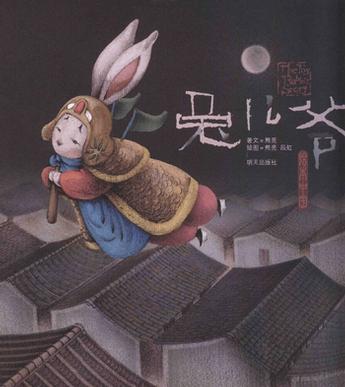
Ming Tian (Tomorrow) Publisher as part of the Shan Dong publishing group has some of the best original picture books around:
http://knowledge.chinesebookshop.com/Tomorrow_Publishing_House

兔儿爷

The Toy Rabbit Story by Xiong Liang

海燕 (Petrel) Publishing House just ventured into making their own picture books and novels for children after bringing many quality translated work to China from overseas:
http://knowledge.chinesebookshop.com/Petrel_Publishing_House

海燕

One Mega Store

当当 (DangDang.com) is one of the major online shopping stores in China and many if not most parents buy their children’s books from this outlet which hosts book and reading events, creates age-level and genre book lists, and compiles tailormade book lists (by human sales reps, not just algorithms), etc. for their loyal customers.

As the site claims, this is the world’s biggest children’s books online seller, where according to the report by its sales manager local Chinese and imported foreign books have equal shares of the market. Check it out: http://touch.m.dangdang.com/topics.php?page_id=40131&sid=cbb00b359ca906be87bf470ace50a1ec

3 Comments

Filed under Field Reports, WIWWAK

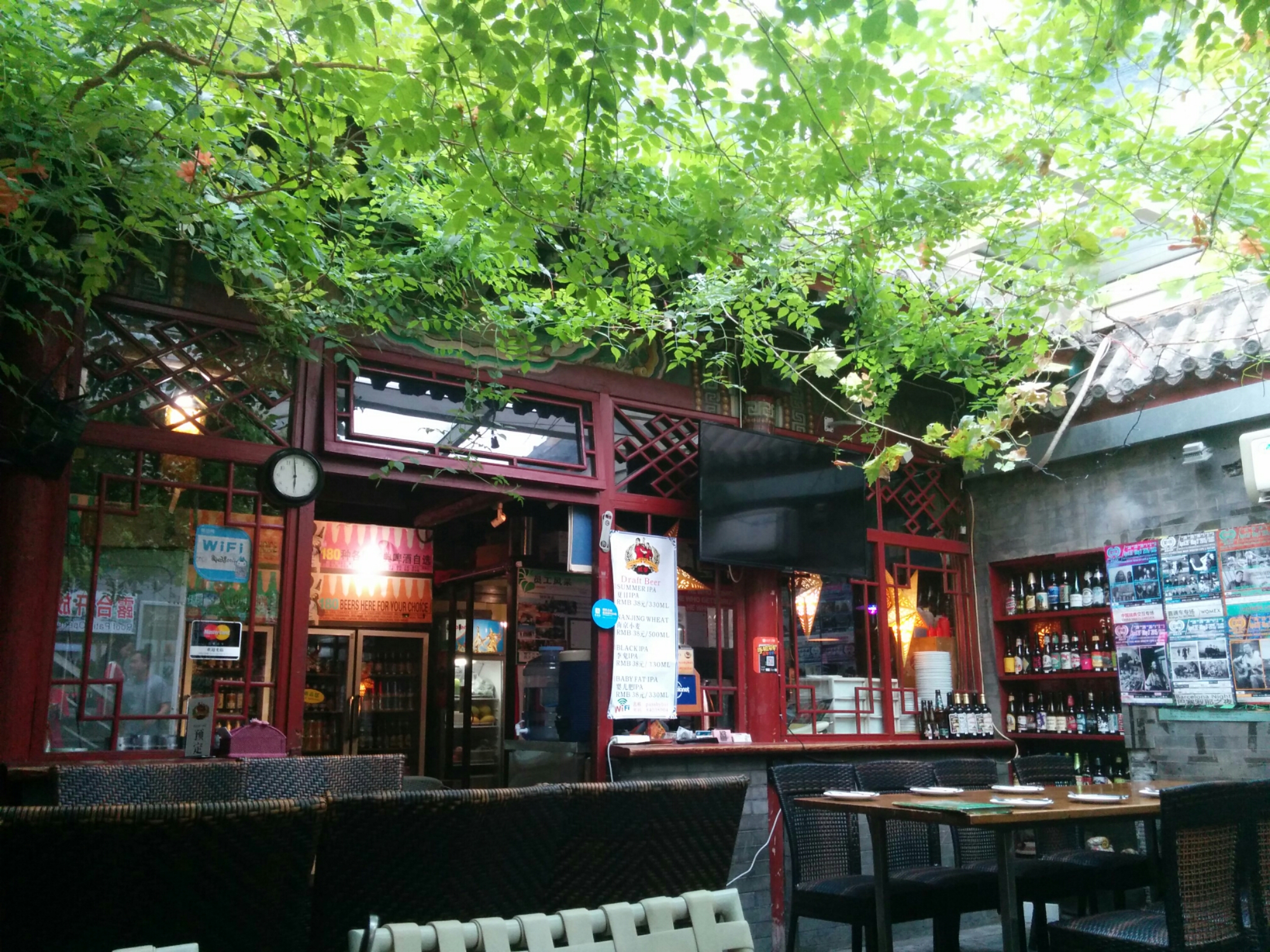
Notes from Beijing, Day 9

FCLBeijingThis was not a work day for me. Got up later than the past week and spent the hot and humid morning and early afternoon at the Beijing Olympics Park, shopping center, and by the Bird’s Nest (The Olympics Stadium.)

Afternoon also brought me back to Nanluoguxiang and Houhai area: revisiting old haunts and discovering new spots.

Said goodbye to the extremely kind and gentle Xiaocui, the exporting manager with whom I hope to maintain long lasting friendships.

image

image

image

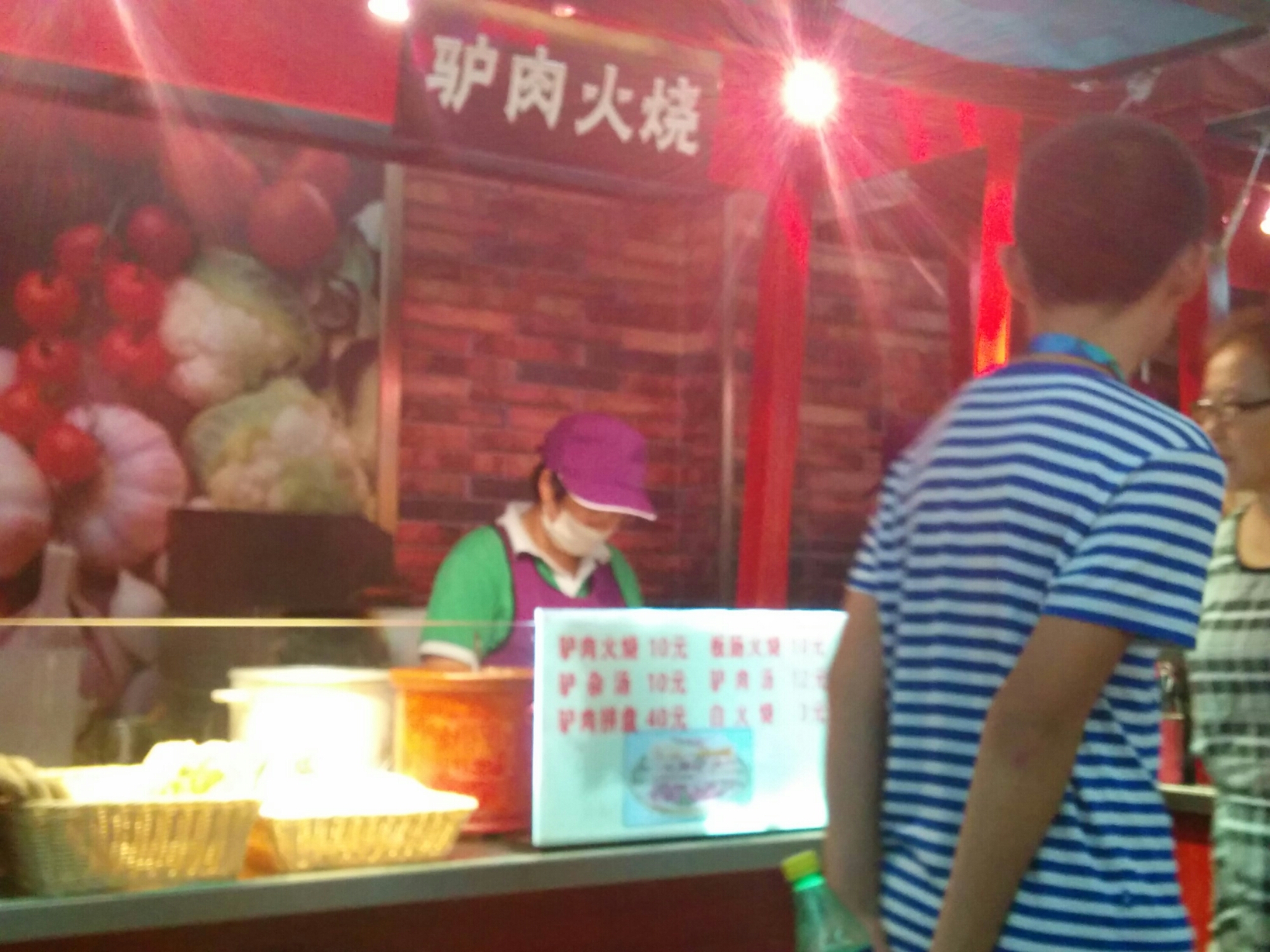
Oh. And finally had donkey (驴) meat! Extremely tender, a lot like beef!

image

Leave a comment

Filed under Field Reports

Notes from Beijing, Day 8

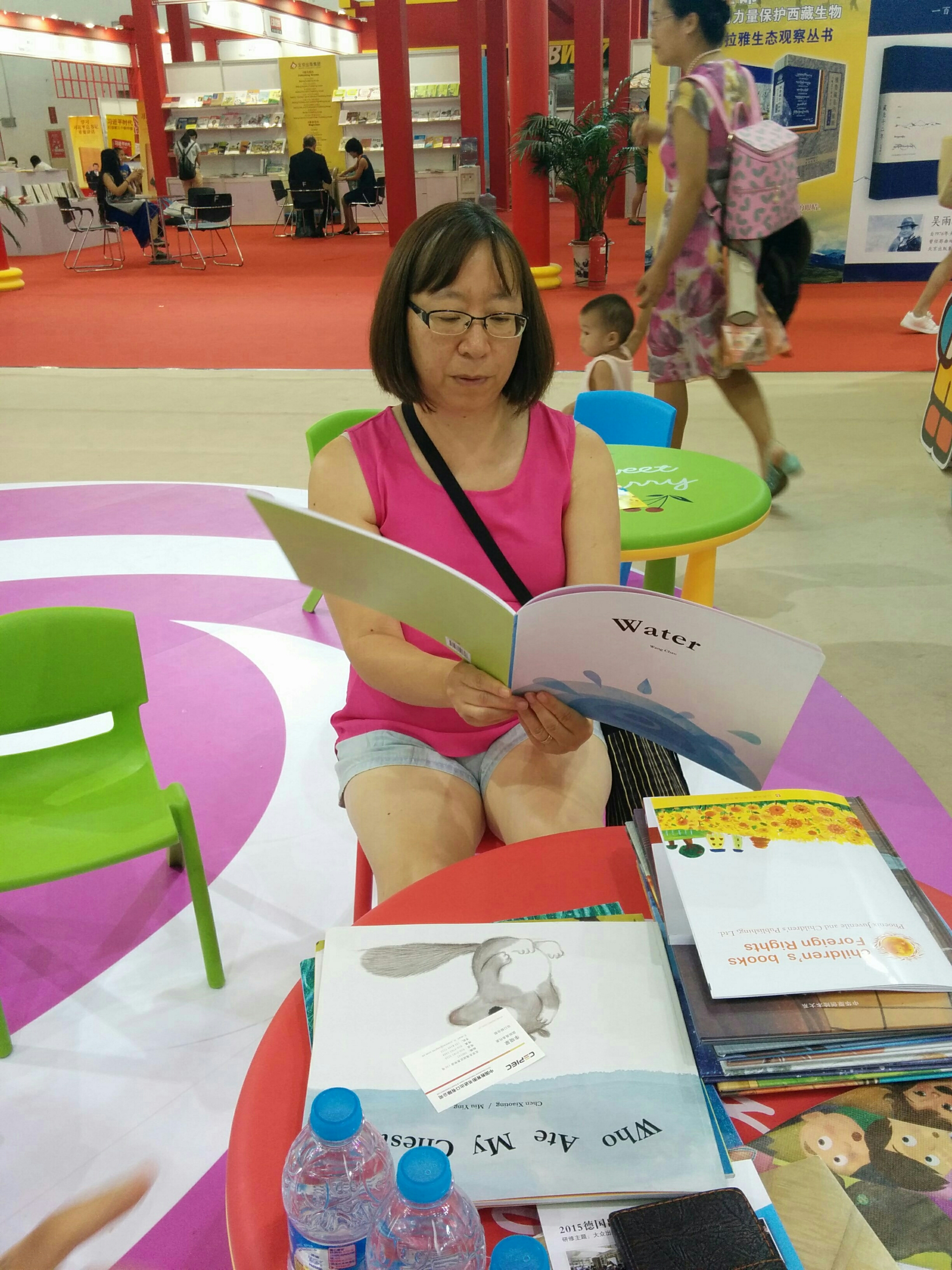
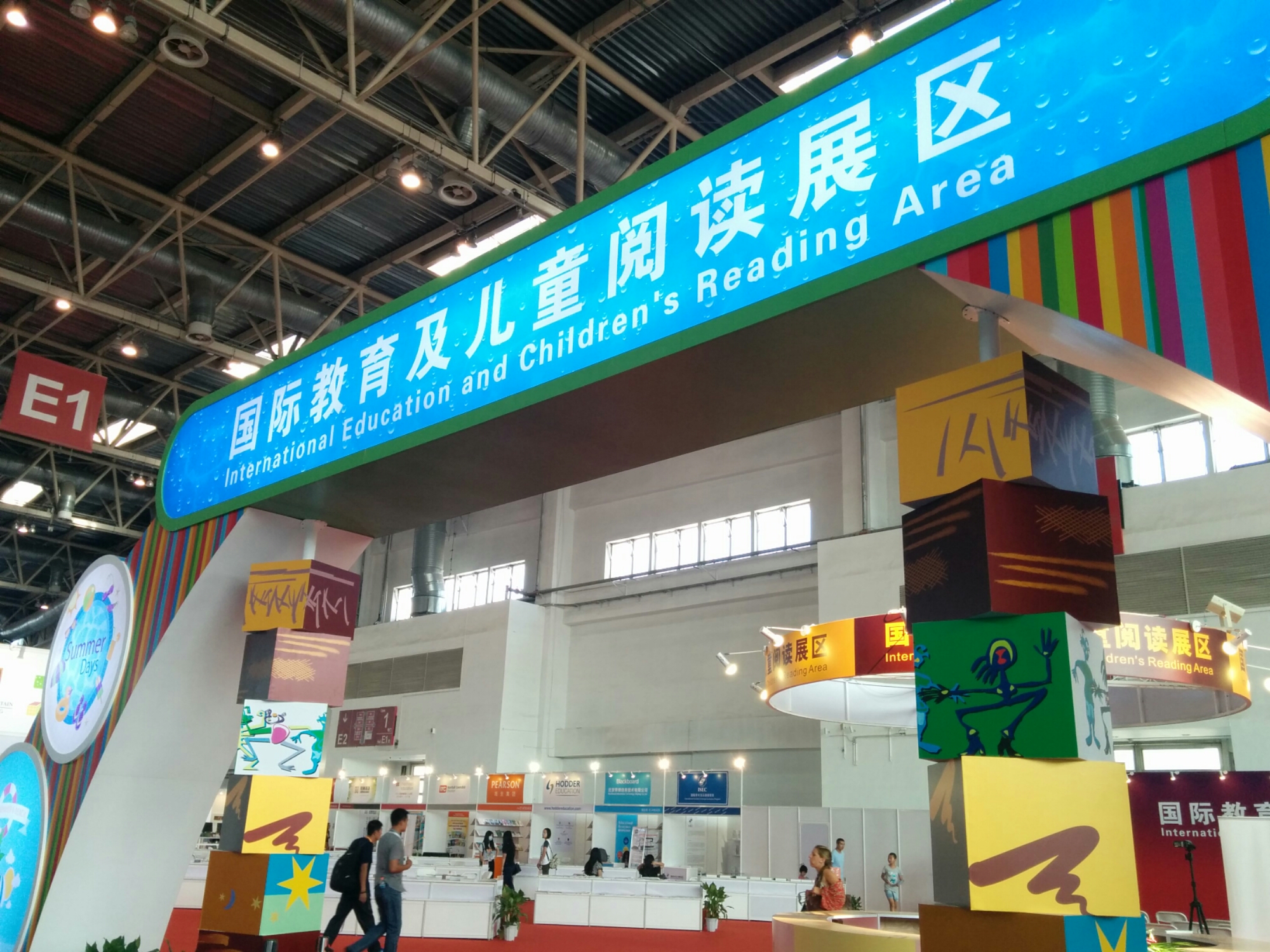
FCLBeijingMy last day of scheduled meetings with publishers. In the past week, I read/looked through about 100 locally produced, original picture books. Much will be reflected on after I get back home next week!

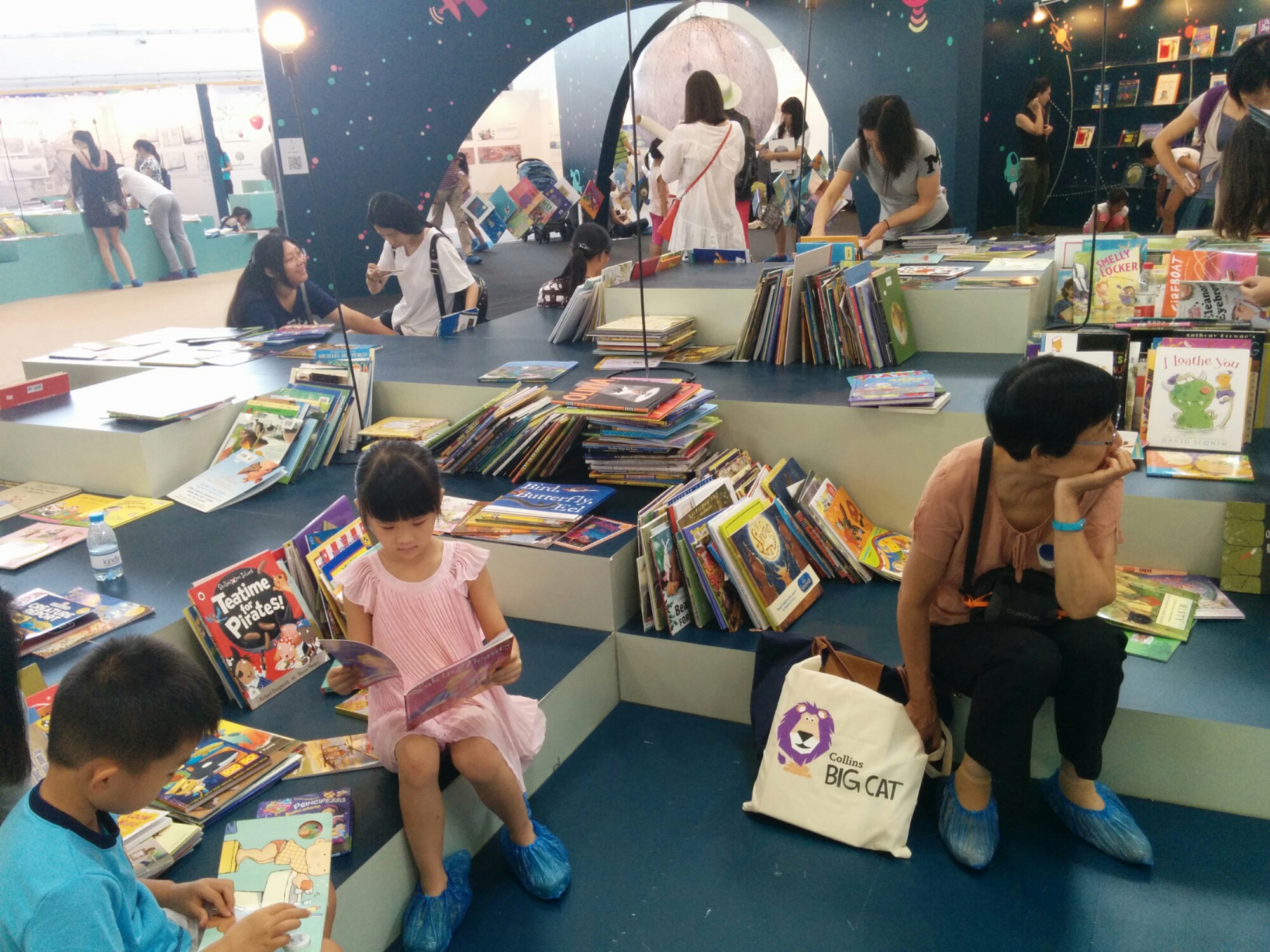
Two more events worth mentioning: the special picture books and activities area set up for children and their caregivers to explore: much fun and organized chaos. No one misbehaved.

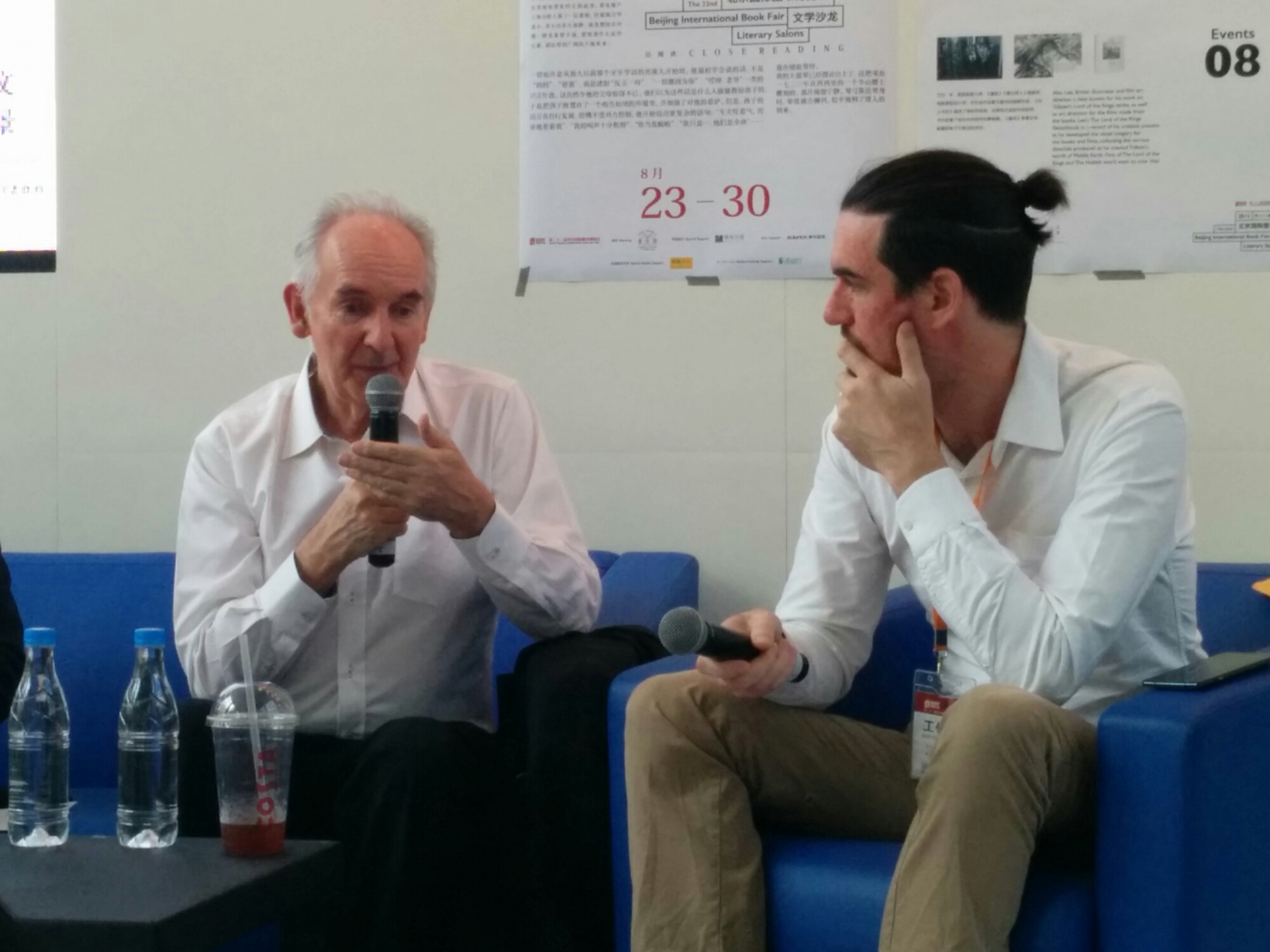
The biggest happy surprise event was an interview and Q&A with my long time hero illustrator Alan Lee. A lot of devoted fans here due to his involvement with the Lord of the Rings movies. My first encounter with his artwork was in the early 80s. Having the opportunity to hear him discuss his art with so much care and humility was such pleasure.

image

image

image

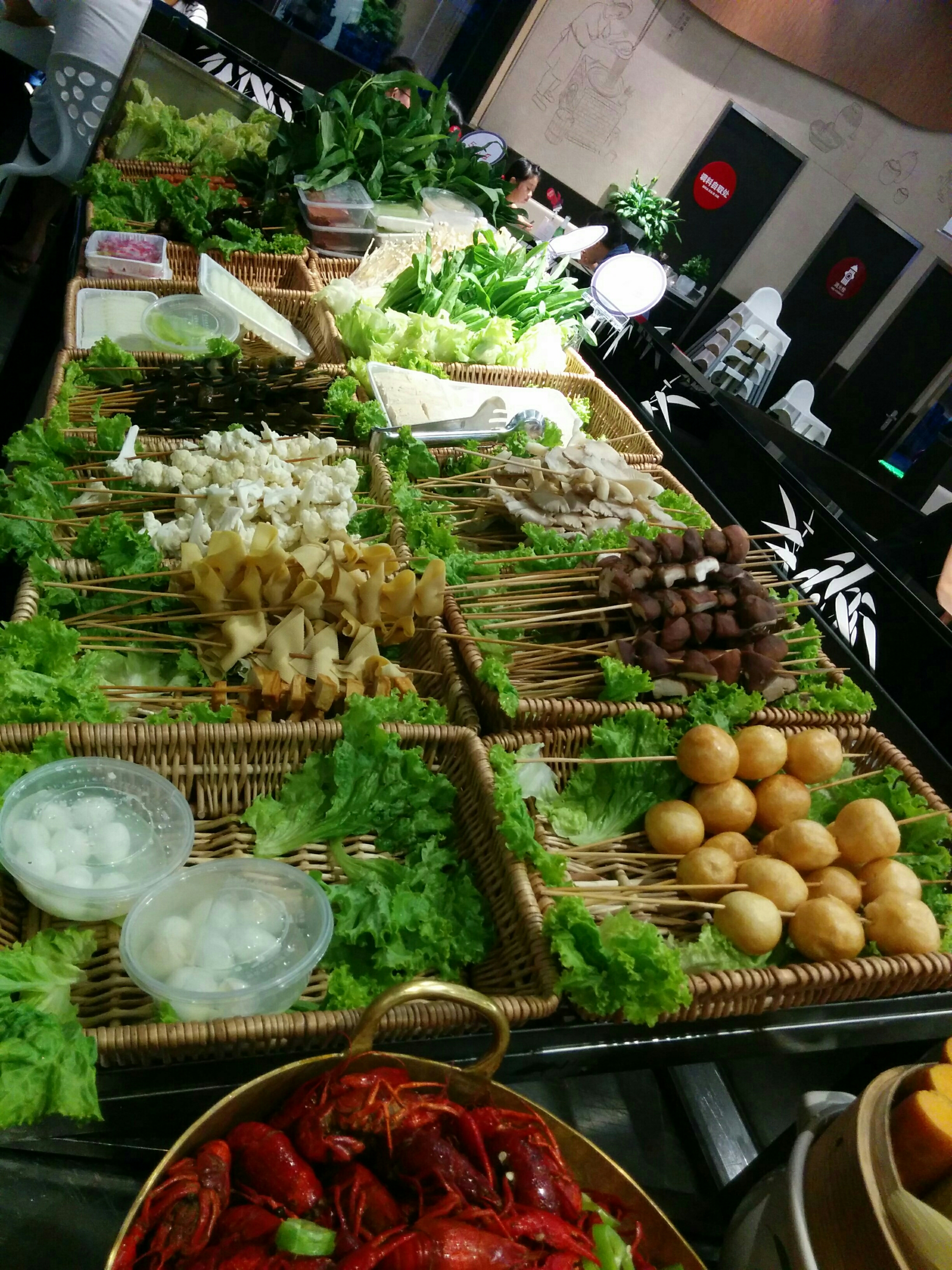
Of course… More yummy food:

image

Leave a comment

Filed under Field Reports

Notes from Beijing, Day 7

FCLBeijingSecond full day at BIBF brought me much delight in discovering more wonderfully original picture books, novels, and literary nonfiction. It is apparent that children’s books are growing in market, importance, and quality countrywide.

Got invited to a dinner with two publishers from Sri Lanka and exchanged much information about the two countries and heard quite a few humorous stories by one of the veteran publisher and former newspaper editor.

image

image

image

Leave a comment

Filed under Field Reports

Notes from Beijing, Day 6

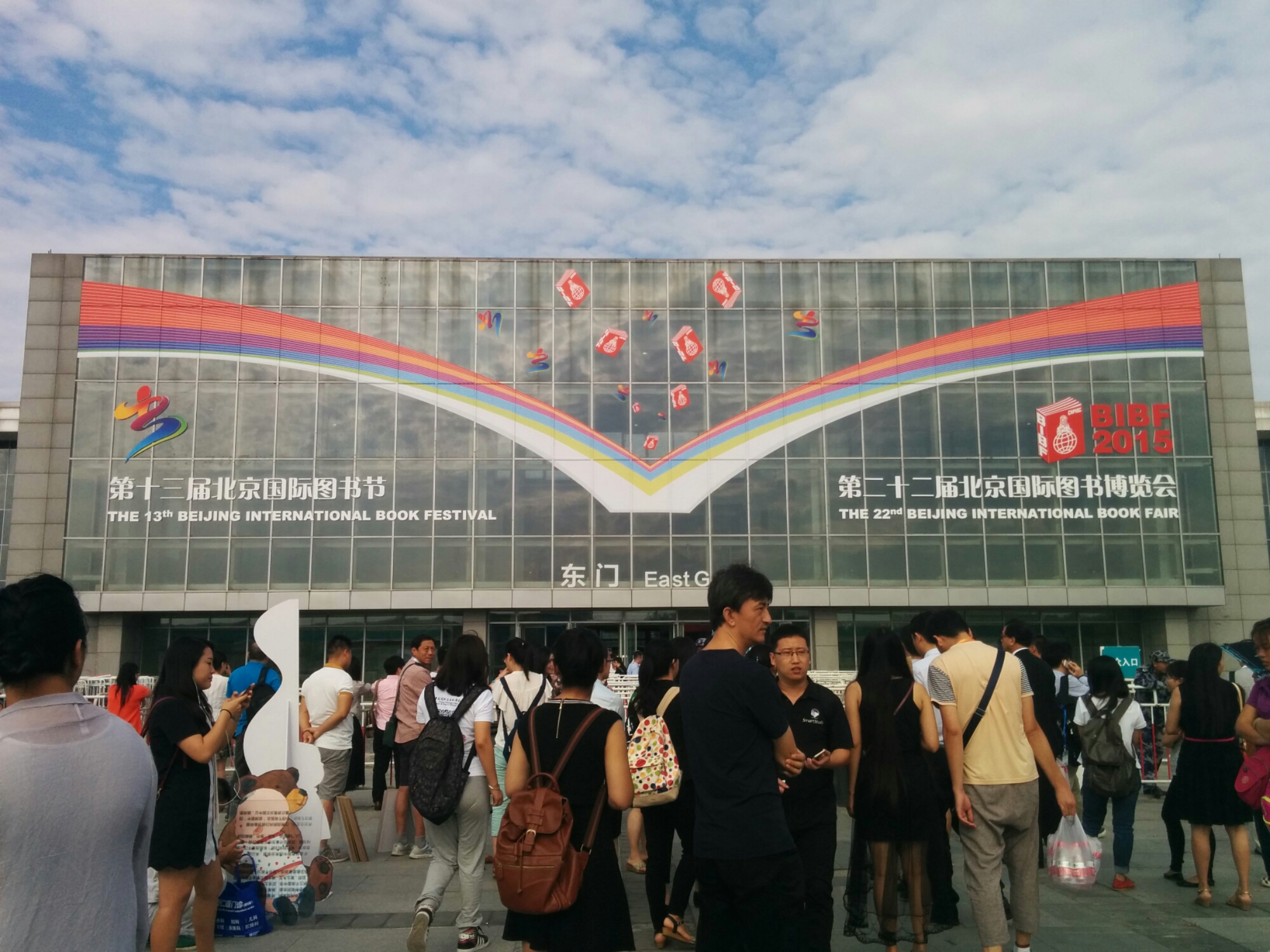
FCLBeijingToday was the first day of BIBF (Beijing International Book Fair). I attended five meetings with various publishers and rights reps, exploring a wide range of picture book themes and styles. There is so much potential and such willingness to learn and eager to improve: and a few names to be seriously look out for. The authors and artists of note will be posted this Sunday for the special China edition of the FCL Sunday Select. I am to meet with more people in the next two days, but perhaps a little more free time to wander around on my own as well.

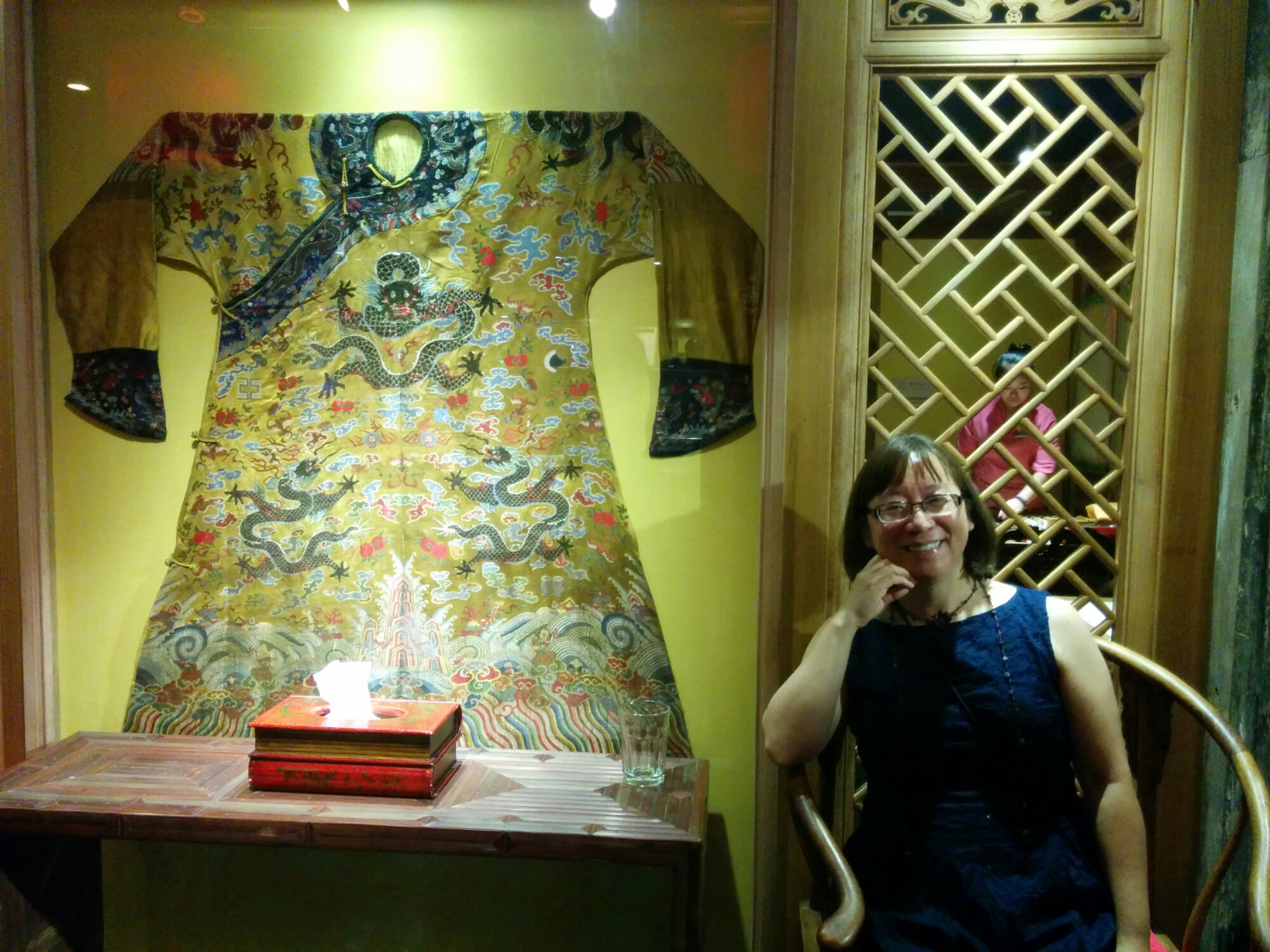
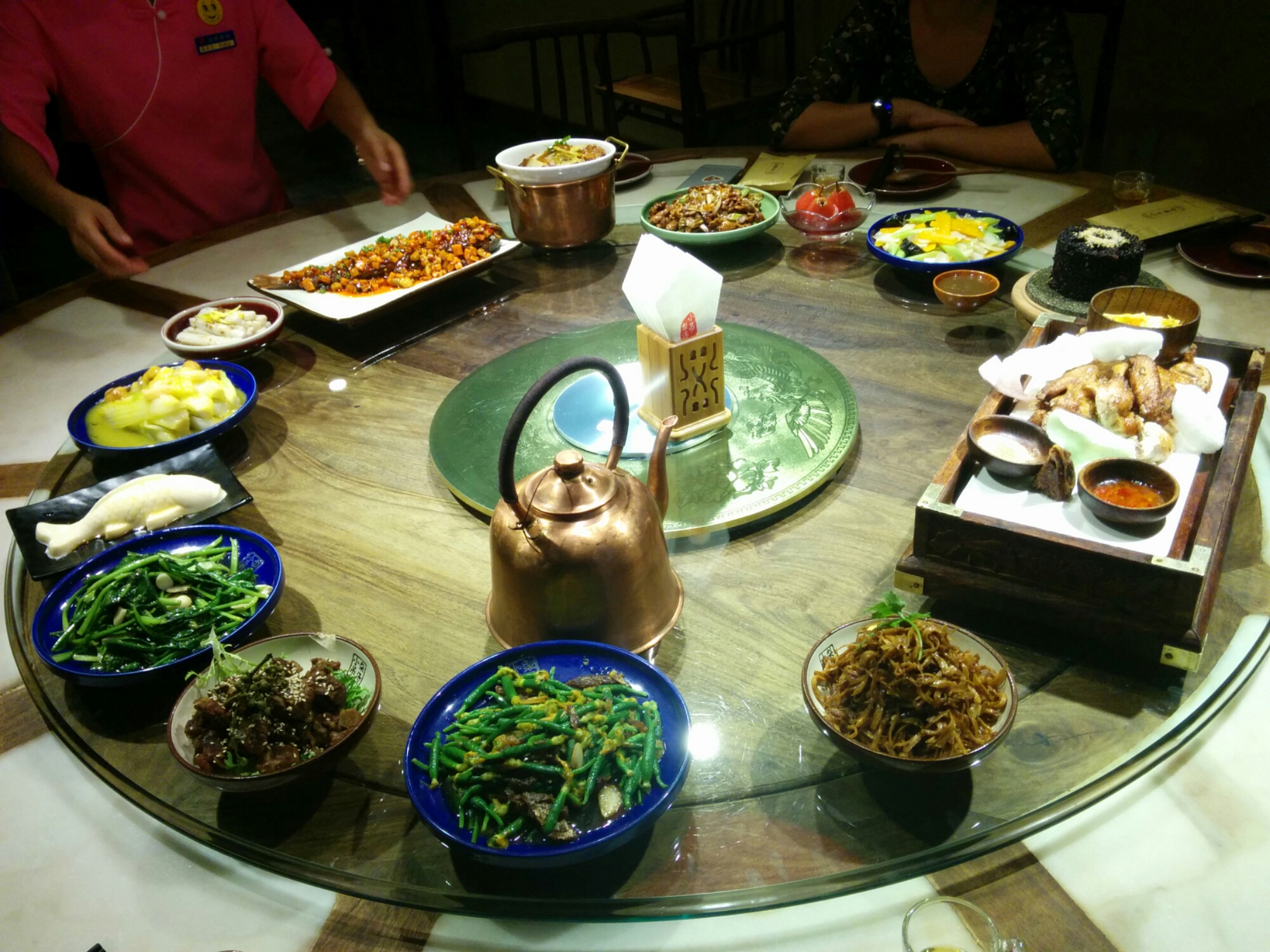
Dinner was a most wonderful affair at an elegant restaurant specializing in Beijing traditional food, done with delicacy and close attention to details. We talked a lot about the future of Chinese Children’s books: its need for YA books, for creative and literary nonfiction, for better training of editorial staff, for curtailing the practice of giving the illustration jobs to “illustration companies” where the pictures are done in bulk and without personal touches, individual connections or editorial input.

A very productive and delicious day!

image

image

image

Leave a comment

Filed under Field Reports