Notes from Beijing, Day 5

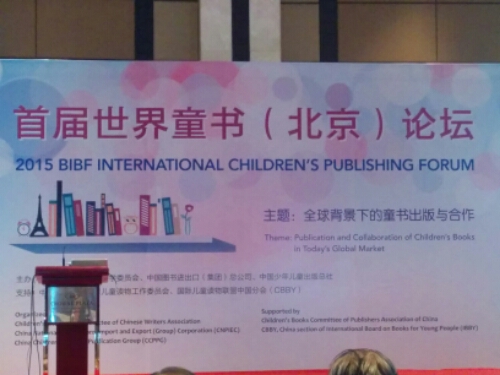
FCLBeijingI attended the very first International Children’s Publishing Forum at the Beijing International Book Fair today. Jam packed with great information: we listened about the development of Chinese Children’s literature of the past 100 years, how to examine picture books for their individual worthiness whether a title has garnered major award or not, the statistical and strategic reports from major publishers and booksellers here and abroad, and the extremely valuable collaboration of authors and illustrators, among other topics.

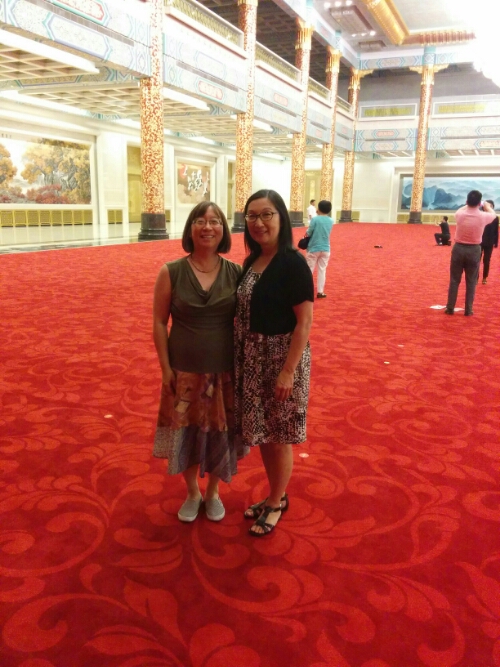
The most fun was to spend time with my close friend and like minded colleague Junko Yokota who gave the talk at the event on picture book evaluation. I learn so much from her every time we talk! Today was no different.

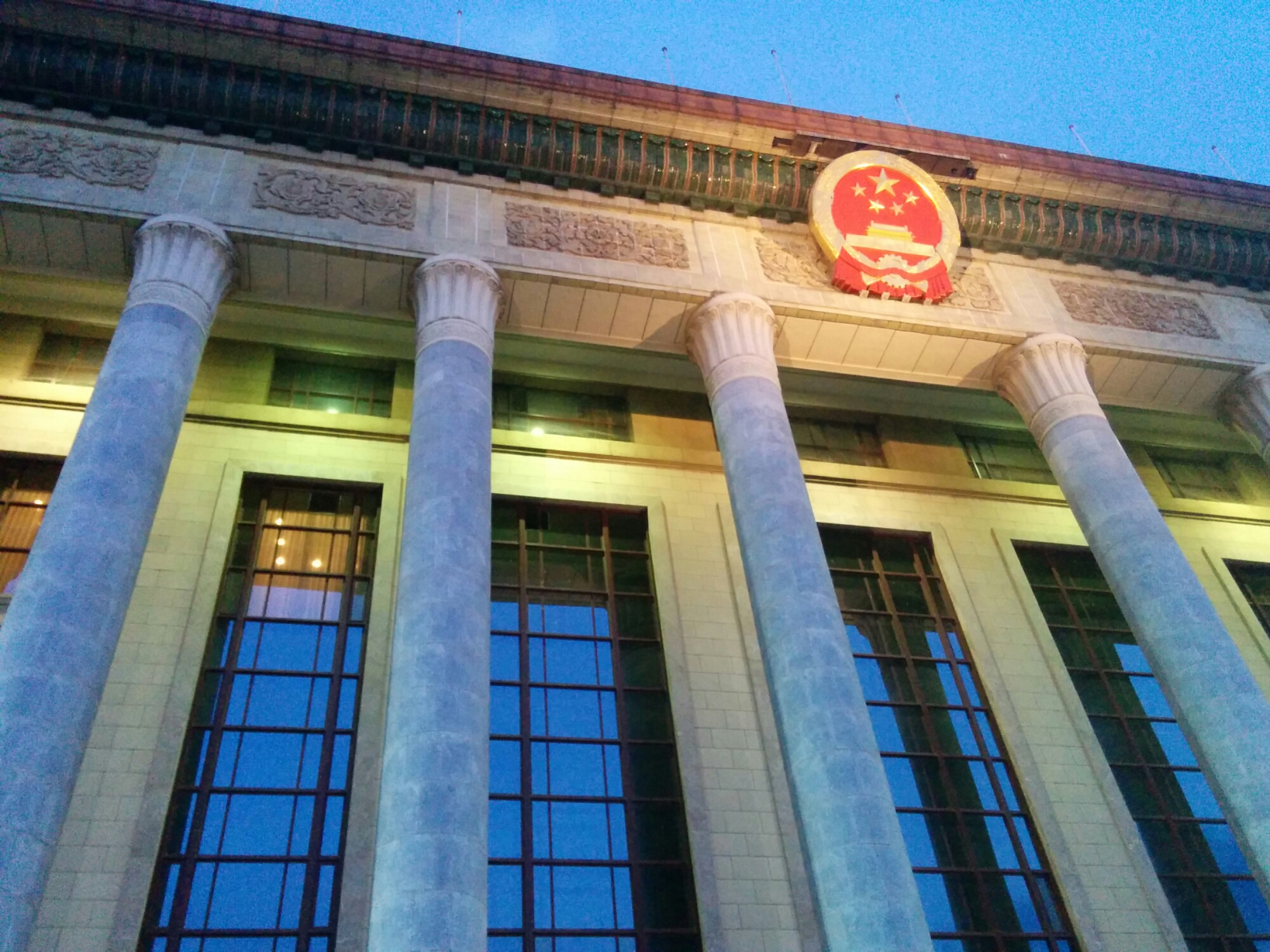
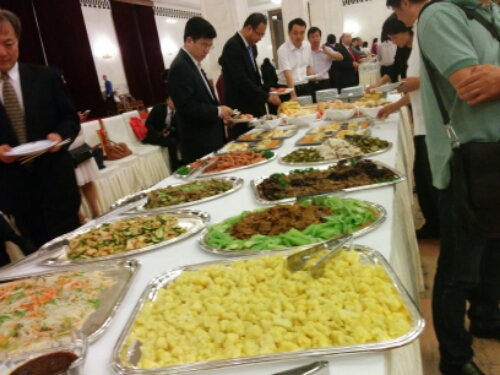
After the Forum, Junko’s host, Miss Zhang from the China Children’s Press and Publishing Group graciously invited me to the opening ceremony and reception hosted by the BIBF organizer at the Great Hall of The People. There many new connections were formed and much hope for future collaborations was shared.

Went back to Junko’s hotel room where we talked some more: about our plans, the upcoming IBBY conference in New York, and her upcoming talk on building empathy through reading picture books.

This is not a short note but then again this was not an uneventful day!
image

image

image

image

image

Leave a comment

Filed under Field Reports

Notes from Beijing, Day 4

FCLBeijingHad a very fruitful meeting this morning, understanding what the company’s immediate and long term goals are and exploring original materials that might have potentials for high quality translations of interest to Mandarin learners and educators.

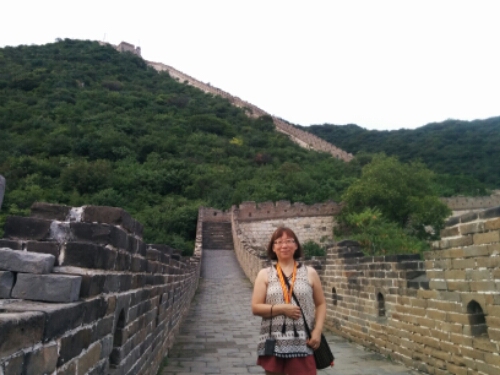
The entire afternoon was devoted to the visit to the Great Wall. I managed to climb the 454 steps (some of them are really steep) to the highest allowable platform.

The picture at the summit is in the camera. Here are some pictures taken with my phone:

image

image

image

Leave a comment

Filed under Field Reports

Sunday Select, August 23, 2015

FCLSSQuote of the Week

Learning the alphabet gave you night terrors, and even now you have a deep seated fear of being mauled by a bear.

— by Bridey Heing,

from “How to Tell If You’re in and Edward Gorey Book”  (referring to The Gashlycrumb Tinies)

Children’s Literature Happenings & Book Lists

How To Tell If You’re In an Edward Gorey Book by Bridey Heing — from The Toast

Kwame Alexander BeatBoxing The Crossover at Singapore American School

ABC Books Beyond Chicka Chicka Boom Boom by Karina Glaser — from Book Riot

Getting Graphic by Julie Danielson — from Kirkus

7-Imp’s 7 Kicks #445: Featuring Matt Phelan by Julie Danielson from Seven Impossible Things Before Breakfast

Good Questions and Great Answers

Where Are All The People of Color in Sci-Fi/Fantasy? by Anthony Vicino — from SF Signal

Bedtime Stories for Young Brains by Perri Klass, MD. — from The New York Times

10 REASONS TO READ DIVERSELY — from Lee & Low Books

I’m Latino. I’m Hispanic. And They Are Different, so I drew a comic to explain. by Terry Blas — from Vox

Leave a comment

Filed under Book Notes, Views, WIWWAK

Notes from Beijing, Day 3

FCLBeijingDa Guan Yuan, the Garden of Broad View (my translation) was both a disappointment and an unexpected delight. This garden modeled after the creation of one of the best known literary settings in China, where most tumultuous family and love drama took place in The Dream of the Red Chamber by Cao Xueqin, was well designed but poorly constructed and has fallen to much disrepair. So, even when I was excited to visit the living quarters of my literary crush Jia Baoyu, I couldn’t but lament the lost potential of the space.

However, the Garden is now also a meeting place for the elders who are practicing traditional art forms: music, Peking opera, and rhyming storytelling, calligraphy, etc. I got to see and listen to my heart’s content.

I wonder when will the story of Jia Baoyu and Lin Daiyu, the epitome tragic lovers, be know to western readers and story lovers. Is it my calling to finally make this decades long dream of mine a reality?

The afternoon was spent meandering the highly developed, crowded touristy area of Nanluoguxiang (Southern Drum Lane.). Squeezed between stalls selling imported food and beverage items (Frozen Yogurt, Bubble Tea, Starbucks) are genuinely wonderful drafts shops offering goods based on traditional folk art concepts with inventiveness and care for elevated qualities.

Dinner was a semi-business affair, meeting a couple of the managers from Chinese Educational Publications. We talked about everything and much of dinner had an elated overtone because their first major venture with an American publisher (Tor) just garnered a major award: the Hugo went to The Three Body Problem, a 2008 Chinese novel translated and published last year! The first ever Hugo Award for an Asian import. In look forward to examining Chinese children’s publications to select the titles that will help non-Chinese young readers gain better cultural understanding through high quality literary work.

(Da Guan Yuan pictures are on my camera. Can’t post them until a week from now.)

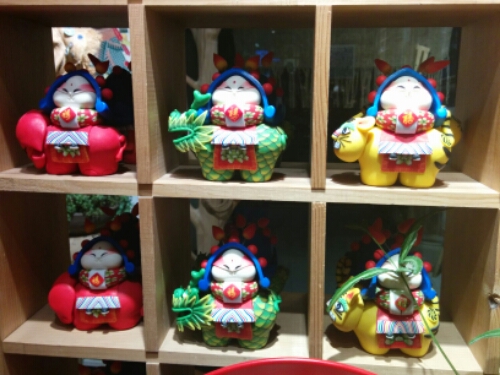
A happy find in Nanluoguxiang, clay creations: lucky rabbit on lucky mounts:
image

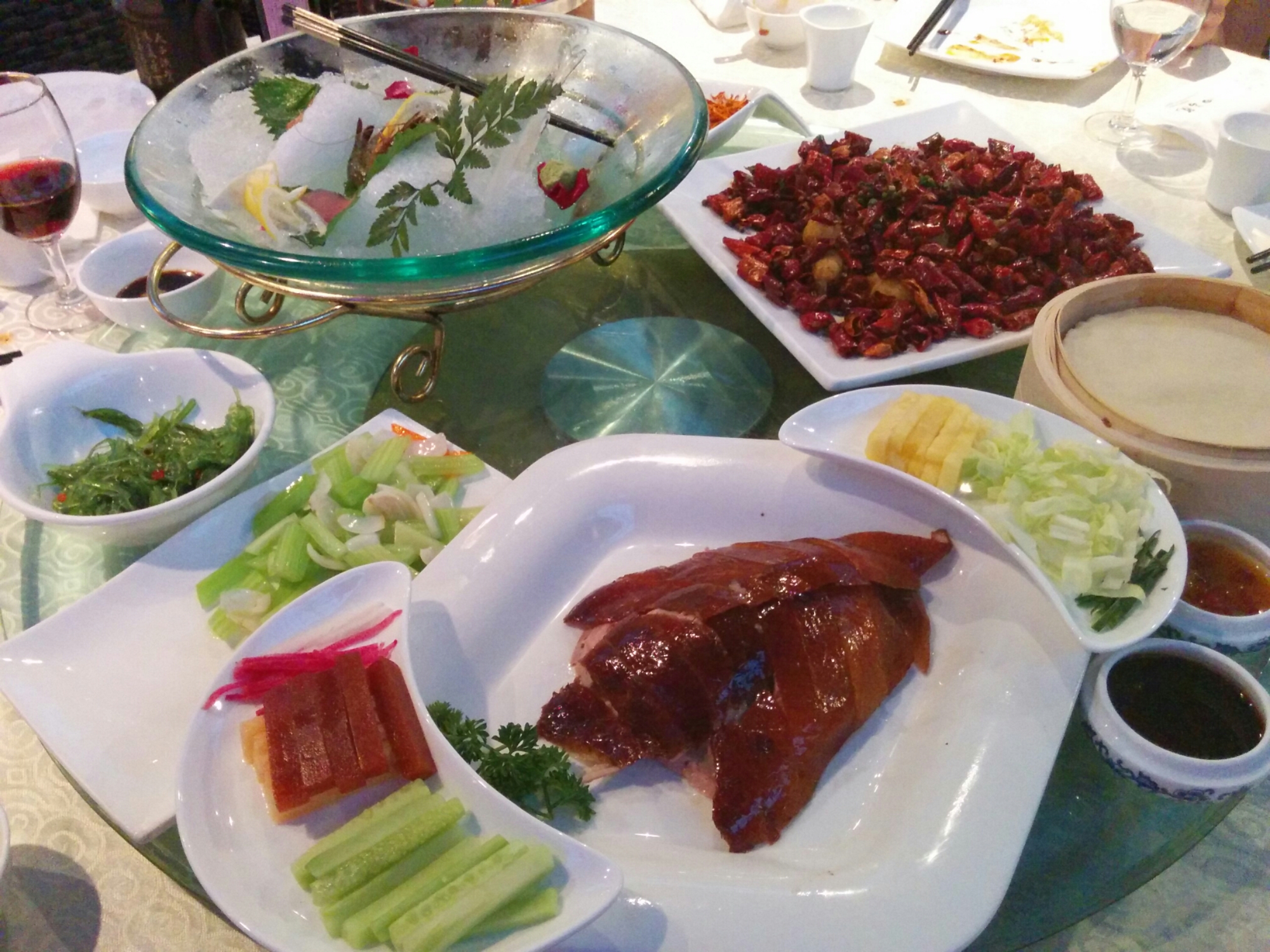
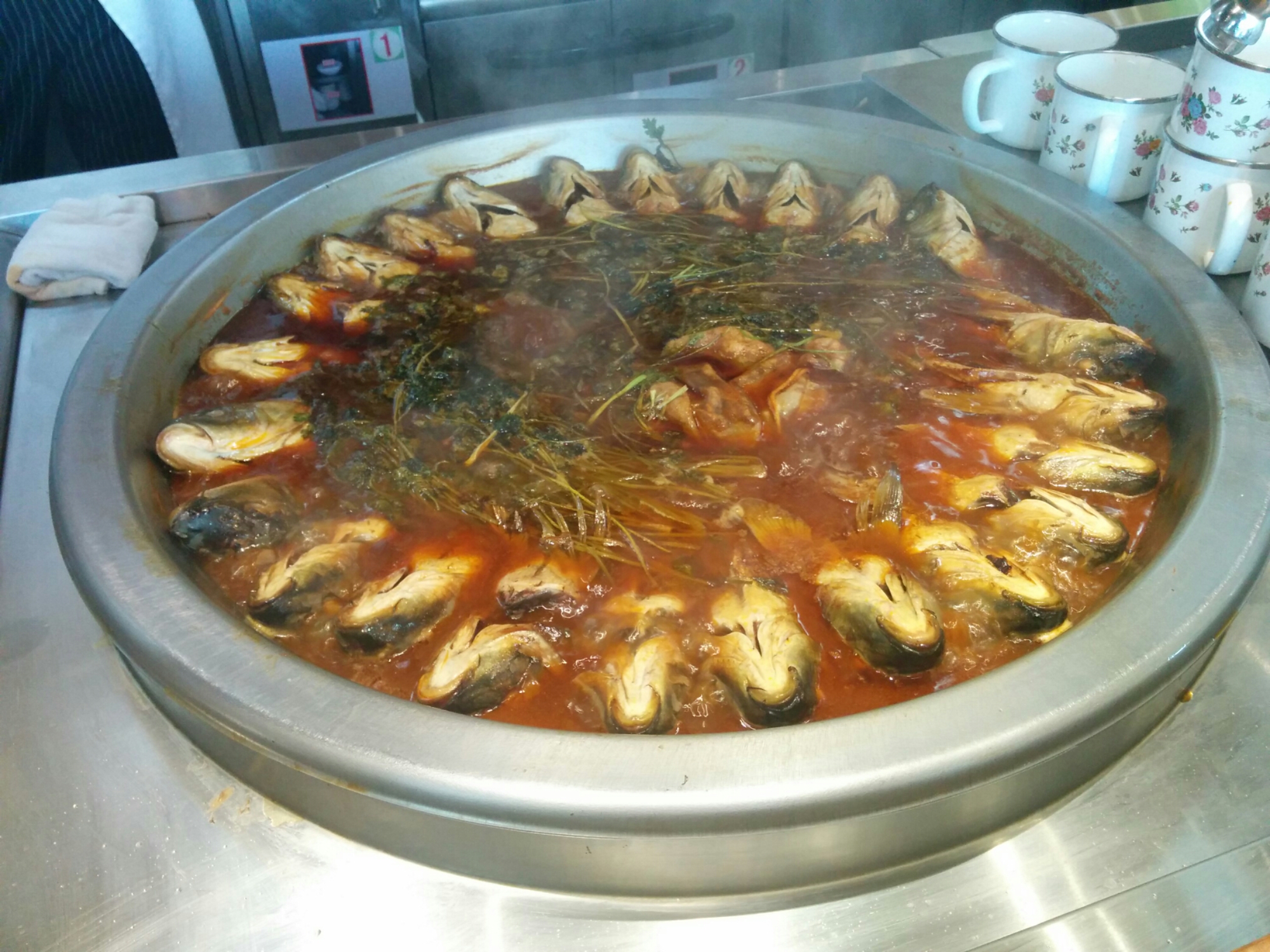
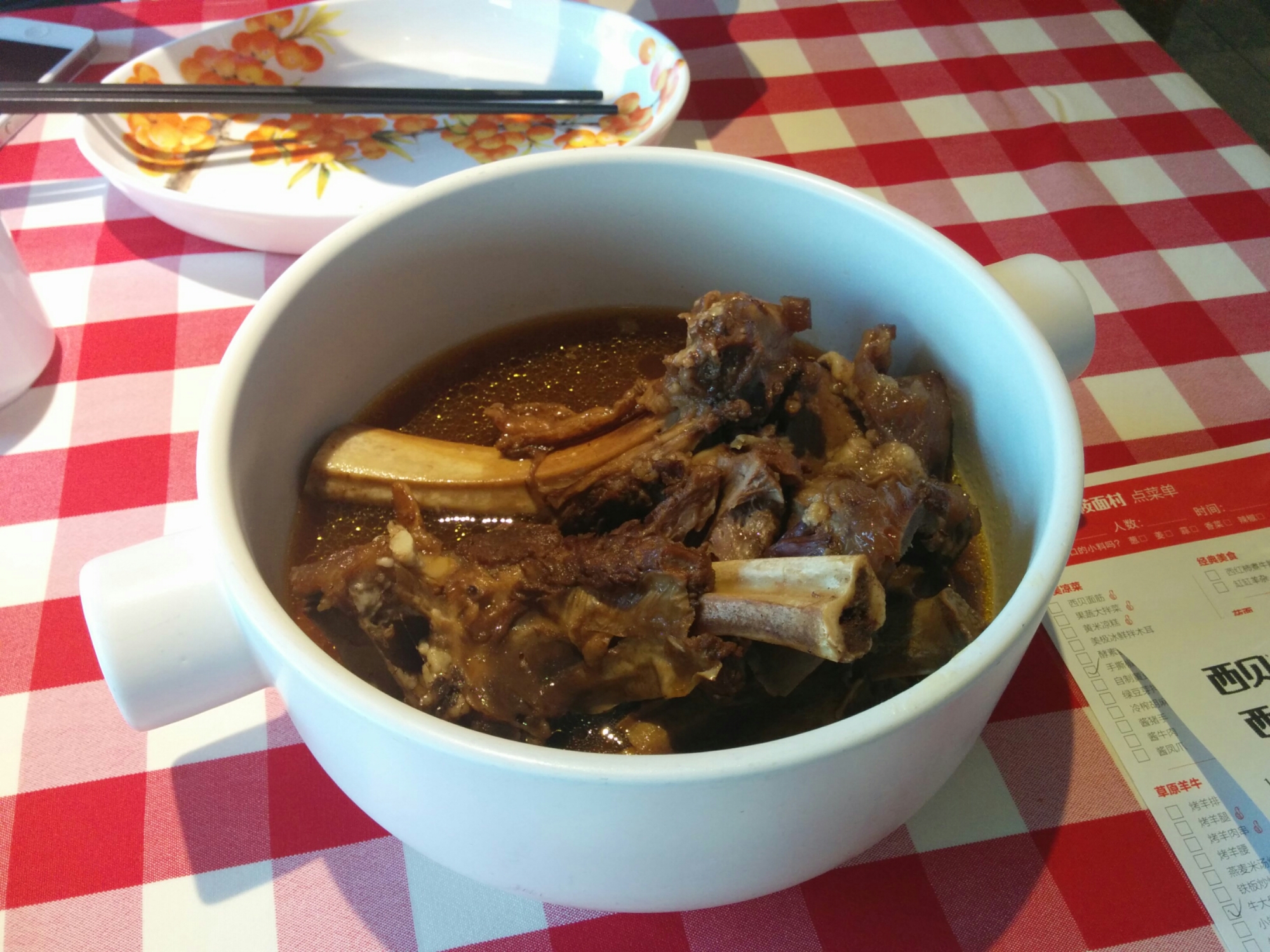
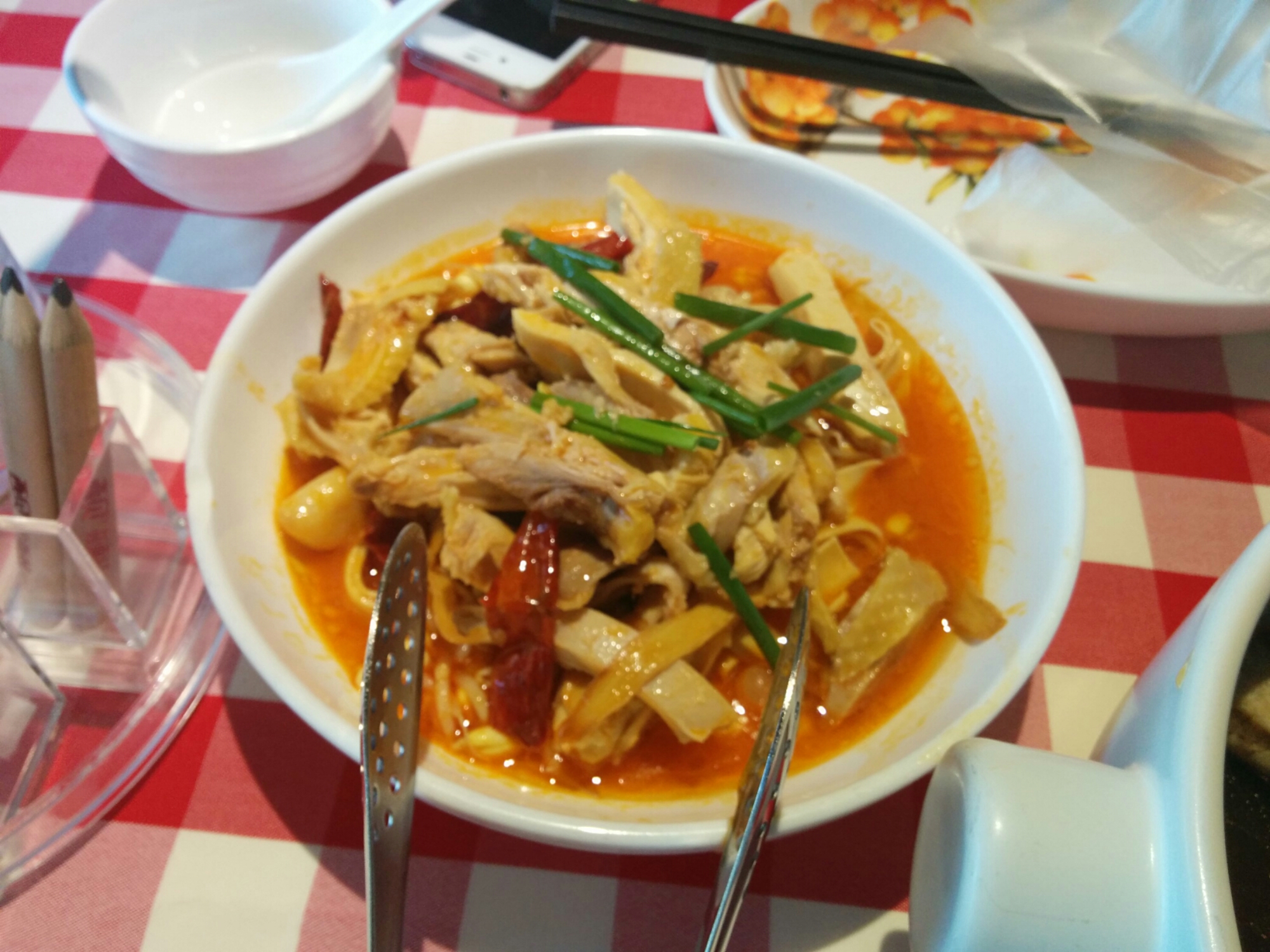
Dinner dishes at Hua Jia Yi Yuan restaurant:
image

Leave a comment

Filed under Field Reports

Notes from Beijing, Day 2

FCLBeijingSince posting on WordPress has proven quite challenging using my phone alone (didn’t travel with a computer) and most of the pictures are on my camera (and I didn’t bring all the cable connectors), my posts will be short and with just a couple of pictures. More to come after I am back to New York.

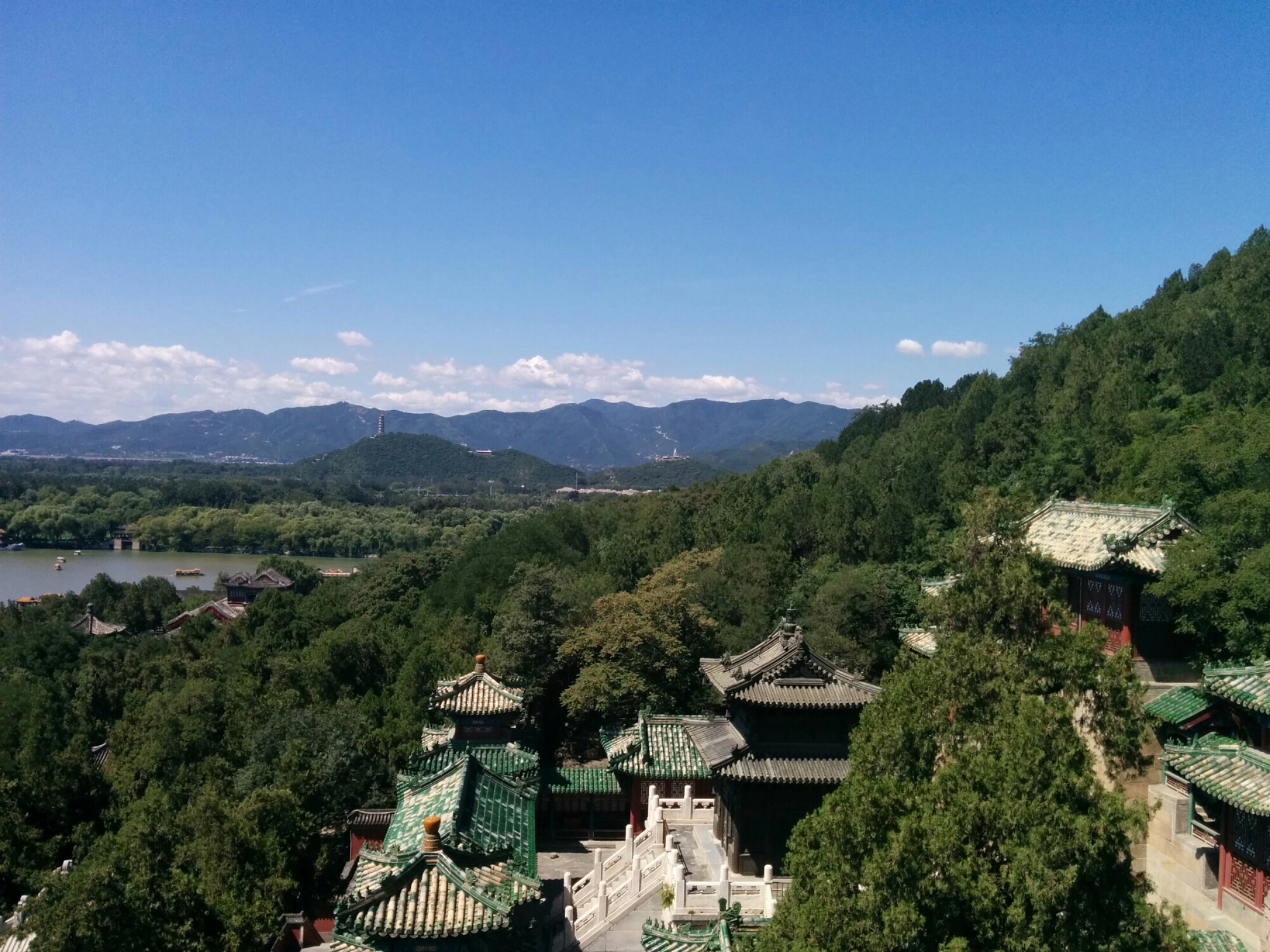
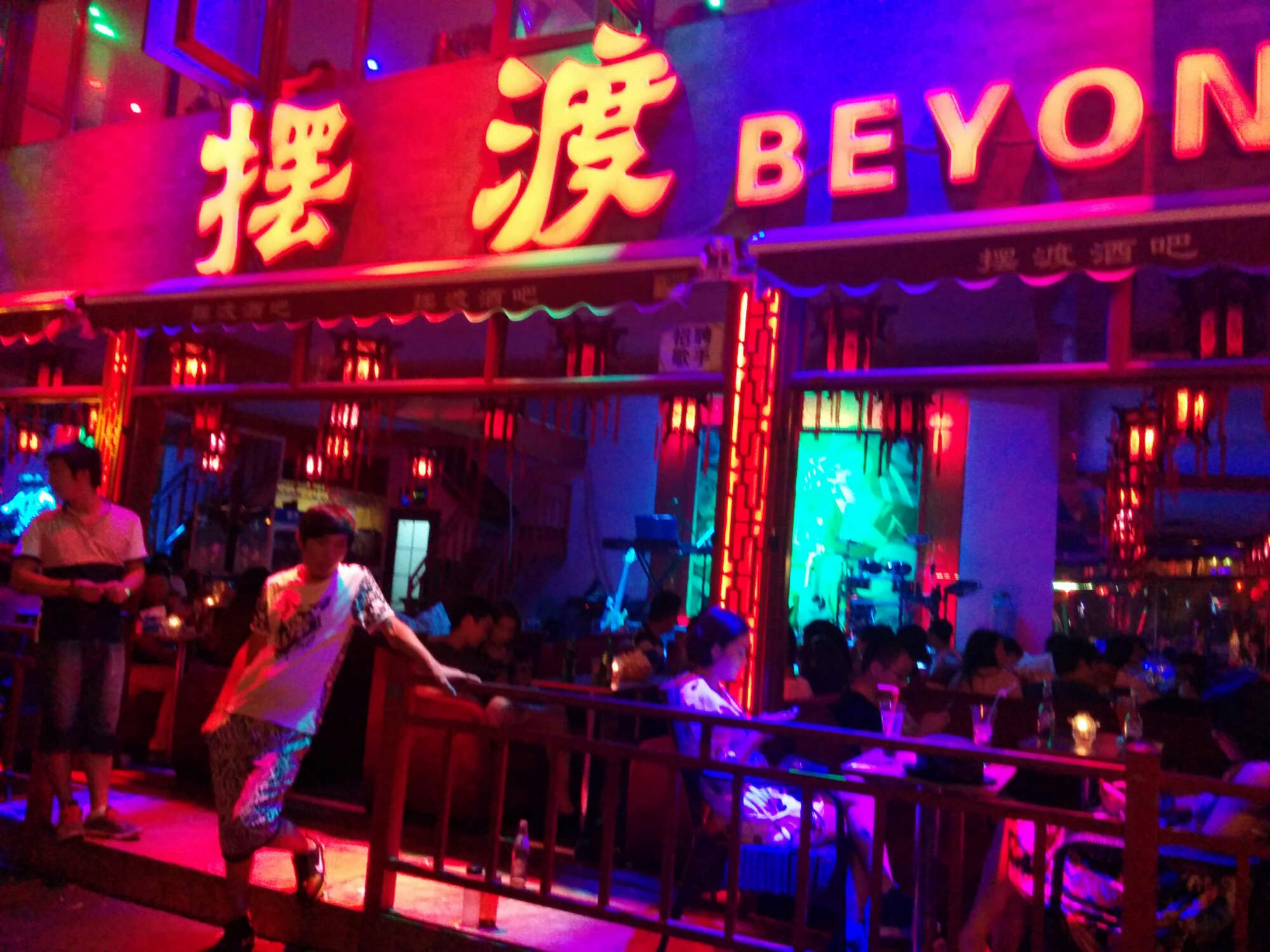
Day two in Beijing was split into three segments: The Summer Palace (Ye He Yuan); the newly developed areas of restaurants near the Palace ground; and the Hou Hai area of bars and live music. One sentence summary: The city seems to be a happy but awkward mixture of the very old and the aspirationally new; the responsibility to maintain the heritage of the Chinese past and the drive to catch up with the global future.

image

image

image

Leave a comment

Filed under Field Reports, Views

Notes from Beijing, Day 1

FCLBeijingStill cannot quite believe that I am in Beijing: and have been here for a whole afternoon already. First impression is extremely vague, tall buildings, many many cars, big specialty shopping complexes, not a lot of pedestrians.

My gracious guide Li Xiaocui shared with me much of her aspiration for bringing Chinese literature and art to the U.S. and took me for a fabulous inner Mongolian meal.

image

image

image

image

image

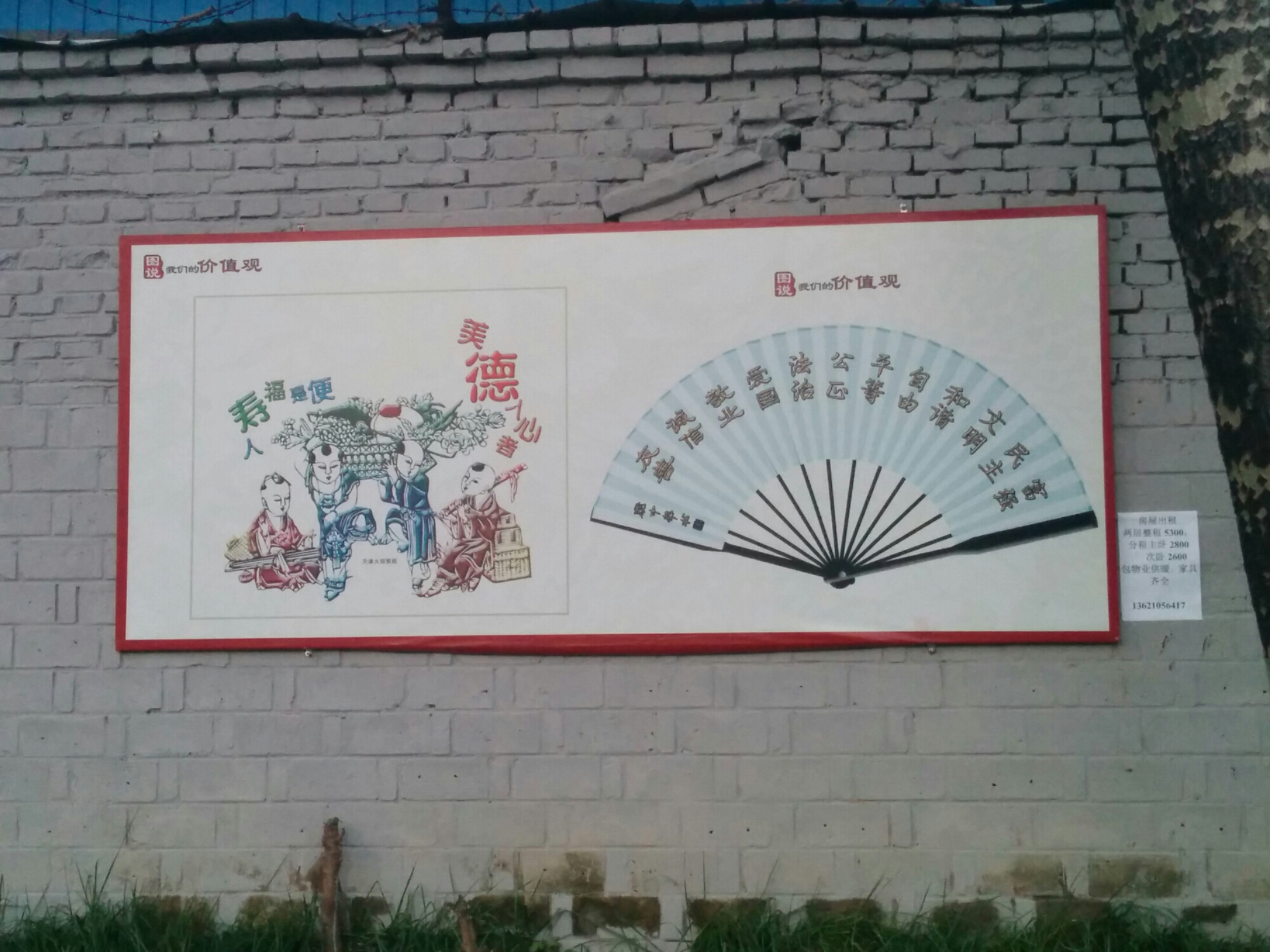
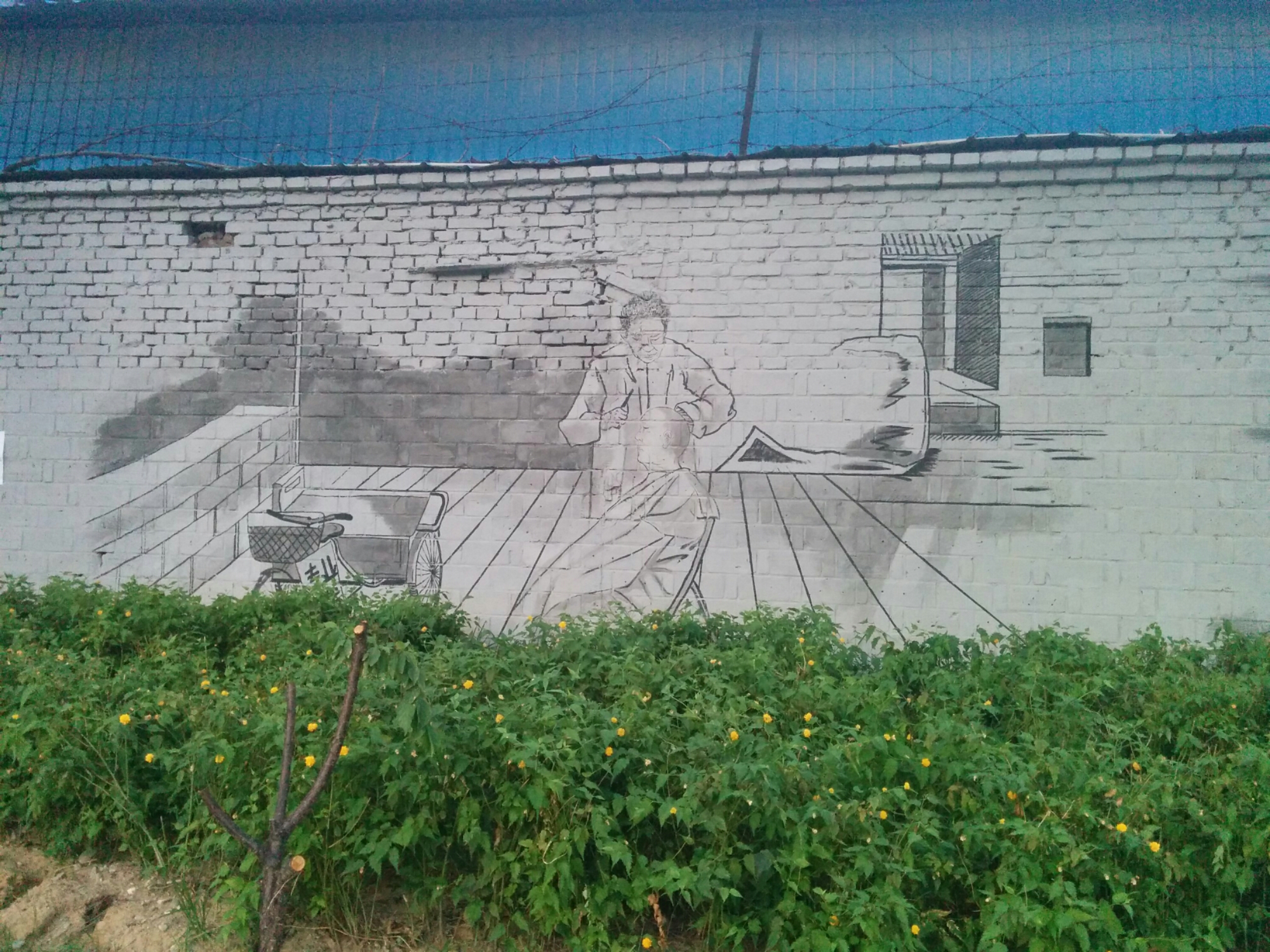
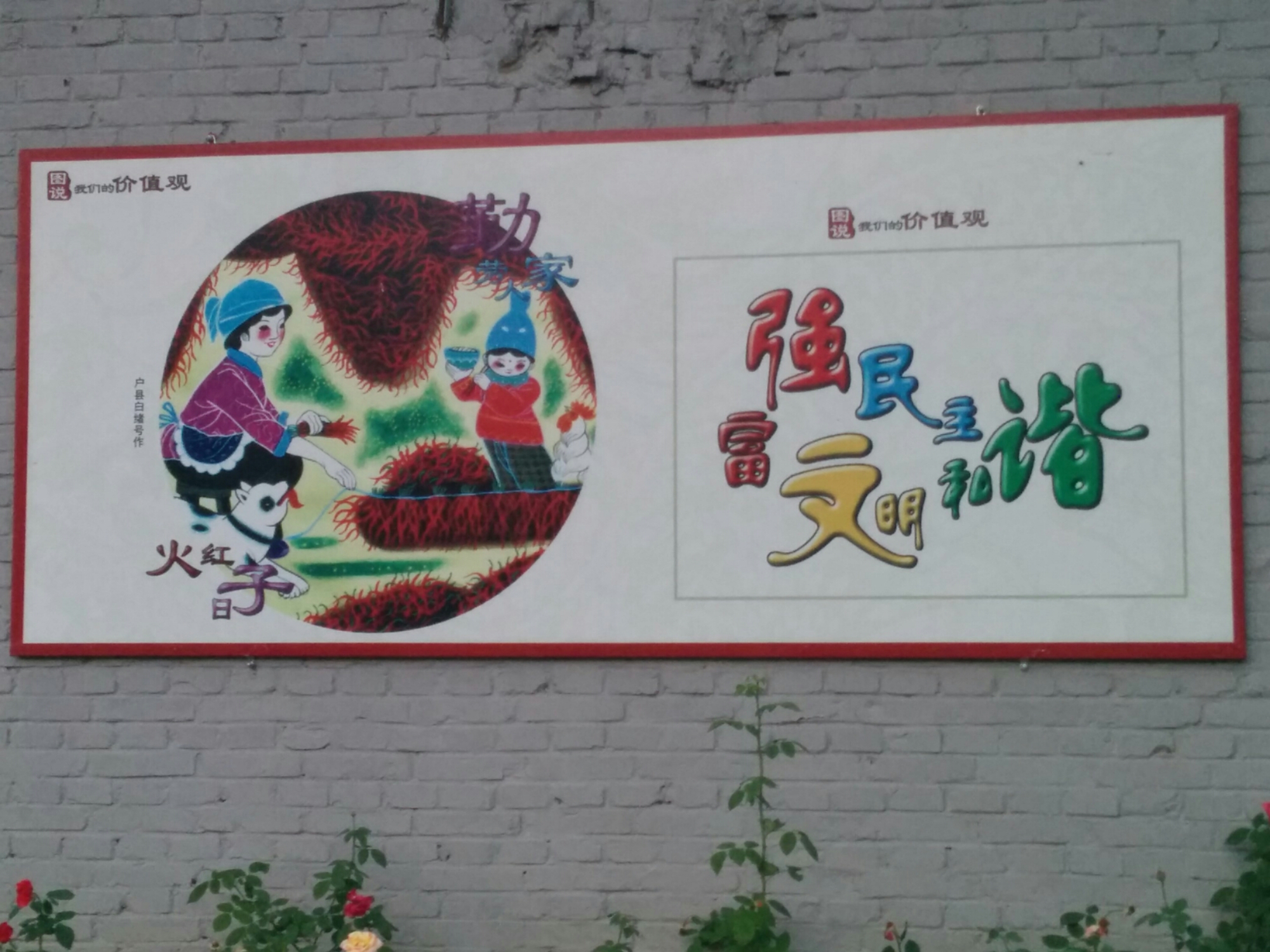
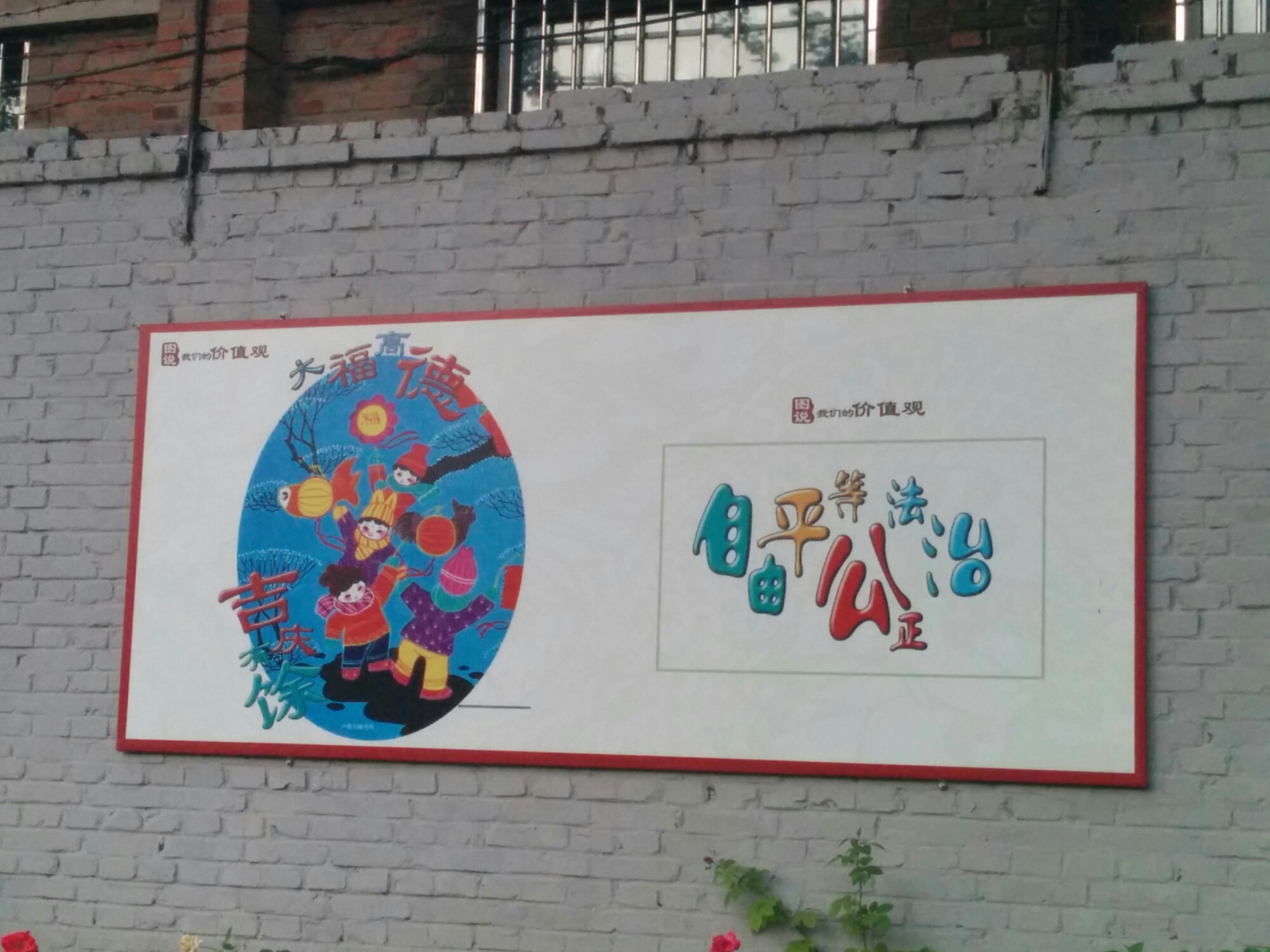
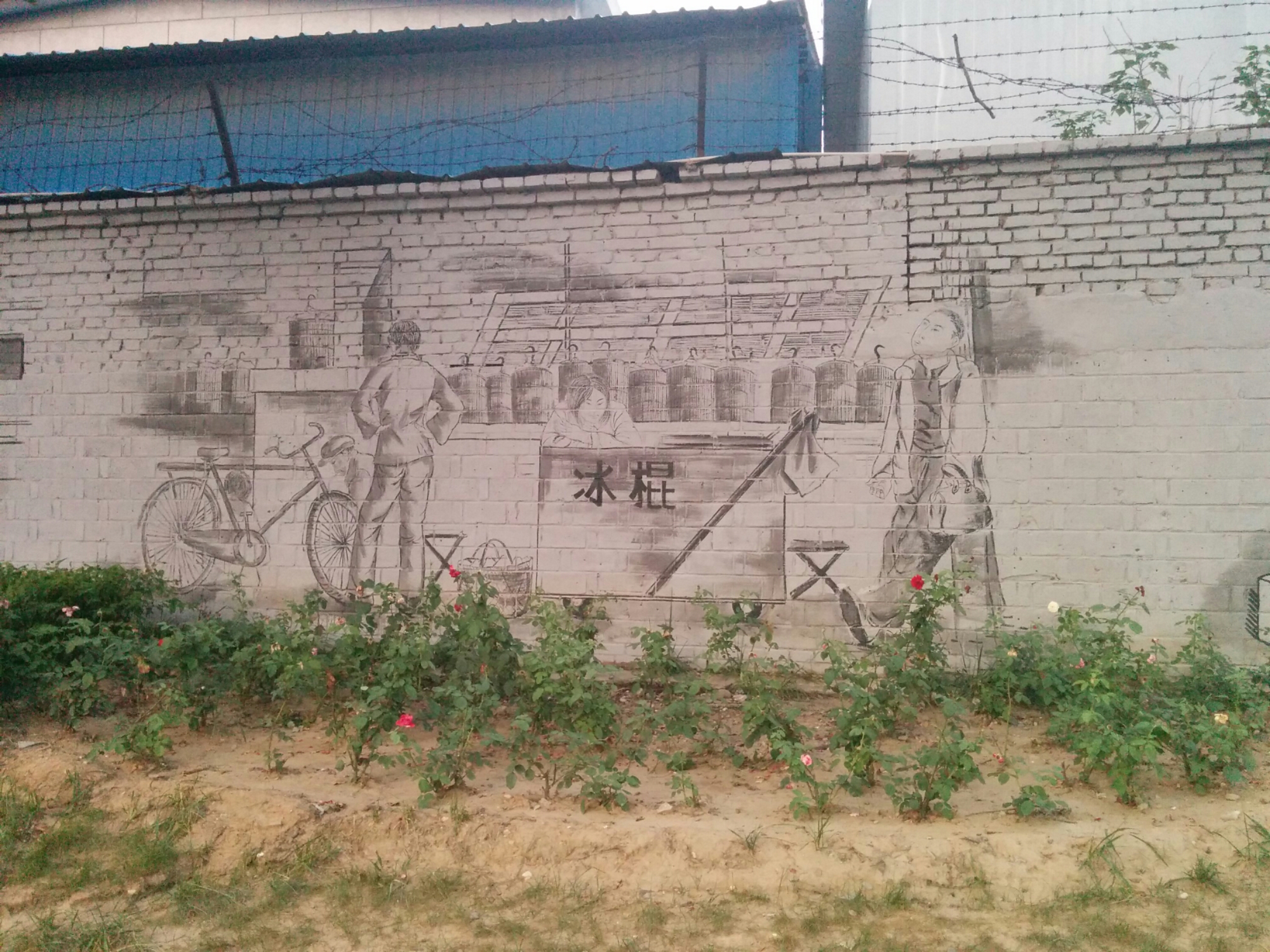
Personal murals interspersed with the official pictorial reminders of community morals.

image

image

image

image

image

Watching a variety show: amateur performers from the North East provinces reenact a local heroic legend of young women fighting against the Japanese aggressors.

image

Kind of dig this concept: each group or individual performer has to pass multiple stages of the challenges: from their personal specialty to their hometown’s famed performance numbers.

Leave a comment

Filed under Field Reports

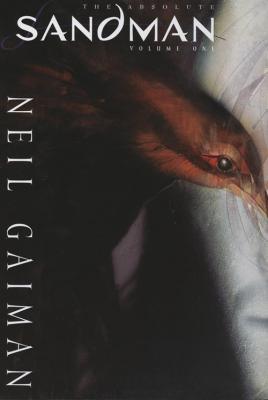
The Absolute Sandman Vol. 1 by Neil Gaiman

absolutesandman1Artwork by Dave McKean, Sam Kieth, Mike Dringenberg, Chris Bachalo, Michael Zulli, Kelley Jones, Charles Vess, Colleen Doran, and more.

I decided to use a large cover image here because this hardcover, full-color, glossy heavy pages tome absolutely deserves this “in your face” treatment.

I read the first twenty installments (24 pages each) of Gaiman’s game changing graphic novel series (from 1989 to 1991) in sequence and absolutely loved every page and moment of it! Dark, haunting, gruesome, poetic, enigmatic and yet lucid all at the same time, wrapped in such a handsome package.

Even if so much within is extremely disturbing, Gaiman’s stories and the art and layout design make reading this volume a blissful experience.

Leave a comment

Filed under Book Notes

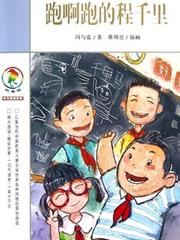
跑啊跑的程千里 (Run Run Cheng Qianli) by 冯与蓝 (Feng Yulan)

跑啊跑的程千里The story about a chubby 5th grade boy who is grappling with being the unathletic one in the class is told with a very light and gentle touch: he’s never so troubled by it to be sad, his best friends (who are all fast runners) are all supportive, his teachers do not put him down, even when they try to help him build up his stamina. And his relationship with his parents is loving, albeit full of little conflicts due to his very active mind that is constantly wondering about the world around him and coming up with out-of-the-box ideas.

This is the first of the Rainbow Crow set of high quality contemporary children’s books from China (by the 21st Century publishing company) that I have read and I am definitely impressed: by the author’s understanding of young people’s mindset, by the excellence of the production/design value, and by the publisher’s insistence of offering current stories by Chinese authors to young readers.

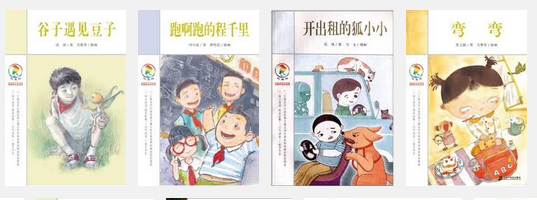
Colorful Ravens* “Original Stories in Chinese”* series of 20 titles  were published in 2012.  I obtained four copies and will report on all of them as soon as I finish each.  To read the bilingual plot summary that I made for this book please head over to the Goodreads page.

Rainbow Crow titles*My translations for the series names were different from the publisher’s.  Corrected on 8/18/2015.

Leave a comment

Filed under Book Notes, Field Reports

Sunday Select, August 16, 2015

FCLSSQuotes of the Week

What few people understand and some people don’t want to understand is that the chattel slavery inflicted on blacks in America was distinctly different from slavery in Africa, Russia, Ireland, Rome, Greece, or Egypt. The notion that a person and their descendants would be held in generational perpetuity without any hope of liberation was only featured in America… for hundreds of years, affecting millions of people. Slavery is America’s original sin. Many of our fellow citizens continue to suffer horrific injustice and inequality because we haven’t learned our history and we lack the moral courage to deal with what happened then and what is happening now.

— Laurie Halse Anderson (public facebook comment)

Authors must be allowed to focus on the topics and ideas that contain personal meanings, that they feel passionate about examining in their work, and that they can feel proud of creating.  Solely focusing on what an author hasn’t given readers can mean we risk missing an awful lot of what they have.

— Shelly McNerney
from In which I think about gender of authors and characters…

Authors and Reading Lists

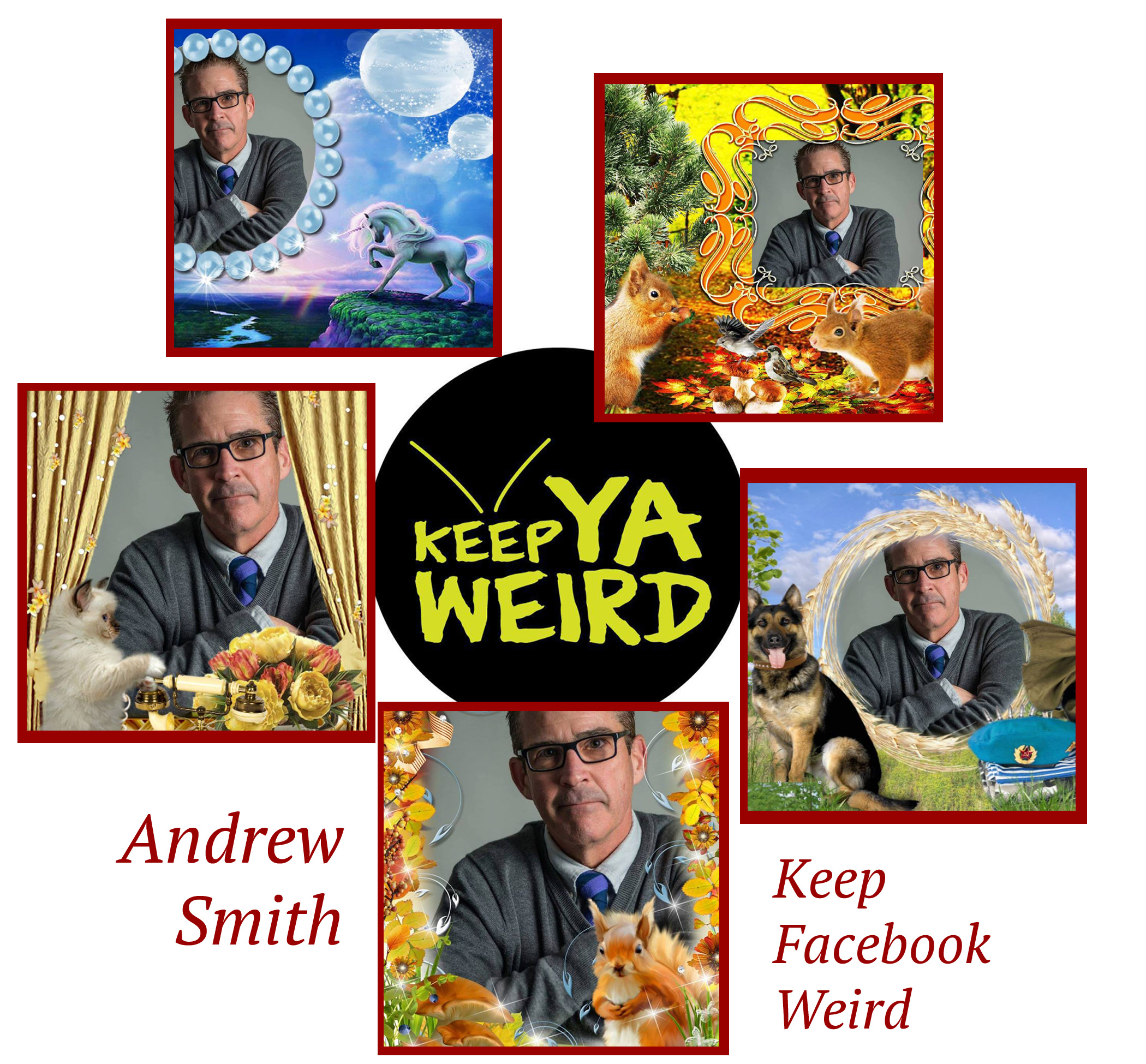
andrewsmithweird
A sampling of YA author Andrew Smith’s Facebook Profile Photos: with two new books out in 2015 (Alex Crow and Stand Off) Smith is not only hard at work keeping his YA novels weird (and they ARE weird, in the best way) but also making sure that Facebook remains equally weird.

How Brian Selznick Created a Delightful Book Trailer for ‘The Marvels’ by Jennifer Maloney — from Speakeasy, Wall Street Journal

How to (Re)Tell a Story in Pictures by Gareth Hinds — from TeachingBooks.net

M.T. Anderson: ‘Seeking Out the Truth’ for Teens — from Shelf Awareness

Italy: Diary of a Wimpy Kid translated into Latin — from BBC News from Elsewhere

Meet Marvel’s newest female superhero in Moon Girl and Devil Dinosaur by Andrea Towers — from Entertainment Weekly

SUMMER READING compiled by Crystal — from Rich In Color

The Best Feminist Books For Younger Readers by Brandi Bailey — From Book Riot

Looking for a Back-to-School Chapter Book Read Aloud? Don’t Miss These! by Daryl Grabarek — from School Library Journal

Important Perspectives

In which I think about gender of authors and characters… by Shelly McNerney — from macstackbooks.com

Kids’ Thoughts on Censorship (Loudness in the Library Year Three, Part 1) by Allie Jane Bruce — from Bank Street College Center for Children’s Literature

Rewriting History: American Indians, Europeans, and an Oak Tree (Loudness in the Library Year Three, Part 3) by Allie Jane Bruce — from Bank Street College Center for Children’s Literature

Allie’s Reflections (Loudness in the Library Year Three, Part 4) by Allie Jane Bruce — from Bank Street College Center for Children’s Literature

Representations (and the Lack Thereof) of Race and Hair (Loudness in the Library Year Three, Part 2) by Allie Jane Bruce — from Bank Street College Center for Children’s Literature

Monticello’s whitewashed version of history by Desiree H. Melton — from The Washington Post

Follow-up discussion on author Laurie Halse Anderson’s public facebook post regarding the above article.

3 Comments

Filed under Book Notes, Views, WIWWAK

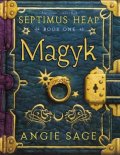
Magyk by Angie Sage

magykMagyk by Angie Sage

A gentle story of magic and friendship, full of entertaining tidbits for imaginative young readers. Glad that I finally got to read it since the series has been a favorite of many of my students for a while.

Leave a comment

Filed under Book Notes

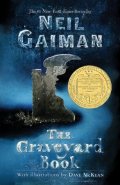
Teaching The Graveyard Book in China

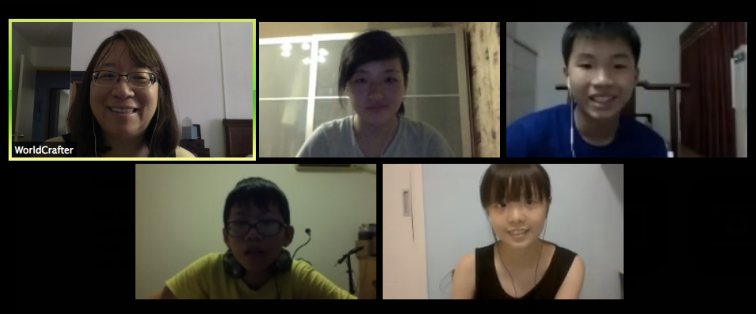
graveyardbookFour young readers from Shanghai (ages 13-15) and I spent two weeks together enjoying and analyzing Neil Gaiman’s Newbery winning title The Graveyard Book. The lessons were all conducted in English. We had a lot of fun and here are some of the observations that we made about the book:

Screen Shot 2015-08-09 at 9.18.08 AM

(silly names we gave ourselves/each other)Screen Shot 2015-07-30 at 7.53.47 AM

  • The author makes it so that the supposedly bad people (the graveyard dead, a witch, a vampire, and a werewolf) turned out to be super nice and caring.  It made us reconsider our assumptions to the people around us.
  • The author effectively uses verbs and action phrases for inanimate objects to create vivid and poetic imageries: tendrils of fog could insinuate themselves into the hall, the graveyard could keep secrets, and the burnt sun could gaze into the world below.
  • We had lots of fun figuring out what Gaiman implies in his text.  Silas’ true being is, of course, the most fun to guess: so many clues about what he is without the word* EVER being present in the book. But there are many other things that the readers need to figure out: the characters’ moods, interior thoughts and motivations, etc.  In other words, this is a great book for inferences. 
  • Paradox is another literary device used often by the author.  We bookended the course with this paradoxical phrase: “Glorious Tragedy” that Gaiman used to describe what it’s like to be a parent and how The Graveyard Book can be read as a book about the bittersweetness of successful parenting.  This phrase could be used especially to frame much of the last part of the book when Nobody Owens grows too old to be contained within the safety of the Graveyard.   Isn’t “growing up” also a kind of glorious tragedy? I asked the four young readers to contemplate in what ways that “growing up” is a glorious tragedy.
  • Each student wrote me a quick feedback on their individual experience with the book.  All were positive and had strong emotional reaction to the events and characters in the book.
    • One wrote how they appreciated the many new vocabulary words (Gaiman definitely did NOT shy away from using precise, perfect, but not easy words.)
    • They all enjoyed the “guess” work whenever I asked them to infer a particular subtly presented idea.
    • One student who never read a single English language book before this class vowed to continue reading books in English!

I had a blast!  The students were diligent and after the first couple of days, were lively and contributed a lot.  It’s especially rewarding to closely re-read The Graveyard Book and confirm how finely crafted this book truly is, in every aspect!

* SPOILER ALERT — Silas’ identity is revealed after the cover image (for those who have yet to read the book.)

graveyardbook

Silas is a vampire.

Leave a comment

Filed under Book Notes, Field Reports

Who Publishes Newbery Winning Titles (1996-2015)?

Last Monday, I published the statistics of Caldecott publishers from the last 20 years.  This week, I offer the results of my spreadsheeting for The Newbery Award.  Sampled years: 1996 to 2015 (20 years.)  Two comparative highlights:

The Newbery gold and silver medals have gone to fewer publishers than the Caldecott medals.  (28/13 for Newbery and 32/17 for Caldecott.)

The Newbery Gold Medal winners are mostly female while women have only won four Caldecott gold.  (13x vs 4x)

Again I ask the Children’s Lit experts in the field to correct information when you spot errors so I can update and make this report more accurate for everyone.

Summary by the number, from 1996 to 2015:

Authors

  • 84 Winning and Honored Titles total (20 winner and 64 honor)
  • 19 Individuals won — (Kate DiCamillo won the gold medal twice.)
  • 12 women are named award winners (63%)
  • 4 Winners are POC: Kwame Alexander, Christopher Paul Curtis, Cynthia Kadohata, and Linda Sue Park
  • 41 Honor titles are written by women and 23 are written by men (64% vs 36%).
  • Multiple winners of Gold + Silver seals: 4 times: Jacqueline Woodson; 3 times: Christopher Paul Curtis (1 gold), Kate DiCamillo (1 gold), Jennifer Holm; 2 times: Richard Peck (1 gold), Jack Gantos (1 gold), Nancy Farmer, Sharon Creech (1 gold), Kevin Henkes, Laura Amy Schlitz (1 gold), Jim Murphy, Gary D. Schmidt, and Patricia Reilly Giff.

Imprints & Publishers

  • 28 Different Imprints
  • 13 Different Publishers after consolidation*

* Please bear in mind that due to the nature of large companies incorporating smaller publishers with previous wins, the accounting can not be perfect.  (FSG, for example, was independent, then part of Macmillan.)

* Also recognize that children’s book publishing is a small world and there are but a few dozen companies operating in the U.S., eligible for the award.

Here are the two charts I made.

Newbery Wins by Imprint

The reddish area represents about 50% of the total, split between 7 imprints while 21 other imprints share the rest 50%.  Clarion had a large share and now counts as part of Houghton Mifflin Harcourt. FSG did exceedingly well as a small publishing house (Frances Foster and Melanie Kroupa were both acknowledged as their imprints) before becoming part of Macmillan.  So did Henry Holt, now also part of Macmillan.

Nancy Paulsen, Joanna Cotler, Frances Foster, Richard Jackson,Melanie Kroupa, and Wendy Lamb are all editors with their own named imprints, making up for almost 10% of the total.


Newbery Wins by Publisher

The reddish area represents about 89.5% of the total, split between 8 publishers while 5 other publishers took home 10% (7 titles) of the win. Penguin and Random House are still counted separately even though they are technically merged.  Together, these two publishers combined would have 30% (25 titles) share of the total wins for the last 20 years.  Front Street is no longer a stand-along publisher and their backlist titles are now sold by Boyds Mills and also absorbed into Namelos, under the steerage of Steven Roxburgh, former publisher of Front Street.

3 Comments

Filed under Field Reports, Views, WIWWAK

Sunday Select, August 09, 2015

FCLSS

Quote of the Week:

“There is, however, a somber point in the social outlook of Americans. Their sense of equality and human dignity is mainly limited to men of white skins. Even among these there are prejudices of which I as a Jew am clearly conscious; but they are unimportant in comparison with the attitude of the ‘Whites’ toward their fellow-citizens of darker complexion, particularly toward Negroes. The more I feel an American, the more this situation pains me. I can escape the feeling of complicity in it only by speaking out.”

— Albert Einstein, “The Negro Question (1946)”

Children’s Lit Happenings!

Announcing the 2015 Golden Kite Winners — from Society of Children’s Book Writers and Illustrators

2015 Teens Top Ten Nominees Announced — from Young Adult Library Services Association (YALSA)

Ashley Bryan Talks with Roger by Roger Sutton — from The Horn Book Magazine

A Notable Summer by Andrew Medler — from Association for Library Services to Children (ALSC)

Author Name Pronunciation Guide — from TeachingBooks.net

Interview with Phoebe Yeh by Jenn Baker — from Minorities in Publishing (MiP)

Roundtable: The New Archie by Brigid Alverson– from School Library Journal

Important Points to Consider:

Einstein: The Negro Question (1946) by Albert Einstein — reposted on On Being

Teen Girls and the Persistence of Gender Stereotypes by Randye Hoder from The Atlantic

Diversity: What Can We Do About It? — from The Society of Children’s Book Writers and Illustrators

INDIAN 101 FOR WRITERS – A Five Part Series, Part I — from A Fresh Pot of Tea (link provided for Part II and so on)

Leave a comment

Filed under Field Reports, Views, WIWWAK

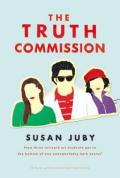
The Truth Commision by Susan Juby

truthcommissionThe Truth Commission

by Susan Juby

Reminiscent of but less cynical than The Year of Secret Assignments (or Finding Cassie Crazy,) The Truth Commission explores the meaning of “truth” and the effects of truth-telling vs lying with a plot that started off deceptively breezy and quirky but progressively gaining weight as the readers realize that the tale is a lot more than presenting some artsy high schoolers’ (and the author’s) mercurial whims.  I definitely got hooked about half way through the story once the successful older sister’s dark secrets start spilling out, and totally appreciated the twists and the examination of unreliable narrative devices.  A memorable read.

Cultural Querries:

  1. I don’t understand why the school’s mission in multiple languages would be printed in both Mandarin and Cantonese, since for the most part Mandarin and Cantonese are the same in written form, unless one (like some publications in Hong Kong) tries to mimic the colloquial usages (like in online discourses and tabloids). Its usage has been limited mostly to Hong Kong and even though has gained some popularity, is still definitely not the practice in official documents. Since one of the main characters is half Korean, it is evident that the author is aware of the existence of other Asian cultures.  So, why not Japanese, Korean, or Hindi? Is this a deliberate choice by the author to show the supreme quirkiness of the school or is it really the practice of that specific Canadian region?  (Is it set in British Columbia?)
  2. I also wonder about the portrayal of Dusk’s half Korean and half Jewish family background.  She is described as rebelling against a family of doctors and her “tiger” parents’ expectations. It did make me cringe a little, even if I am quite aware of how this is the reality of many young people.

Leave a comment

Filed under Book Notes, WIWWAK

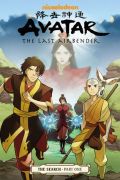
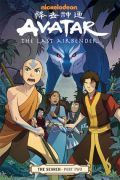
Avatar, The Last Airbender: The Search by Gene Luen Yang

avatarsearch1avatarsearch2Avatar, The Last Airbender: The Search by Gene Luen Yang (Vols 1-3)
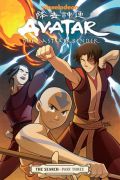
Artwork by Gurihiru
Lettering by Michael Heisler

avatarsearch3My gosh, Gene Yang really is a super fan of the show and the Avatar universe because he totally understands what the fans want. He gives us a satisfying storyline, complete with a cohesive theme of sibling and parent-child relationships, to a long unsolved mystery from the 2005-2008 TV show of one of the beloved characters.  (What am I saying, ALL the main characters are beloved!  The show was that amazing.)  And he gives us new magical beings and great world elements: the Mother of Faces is such a cool creation. Her backstory, tied with Zuko’s mom’s personal history, fits into the Avatar universe seamlessly!
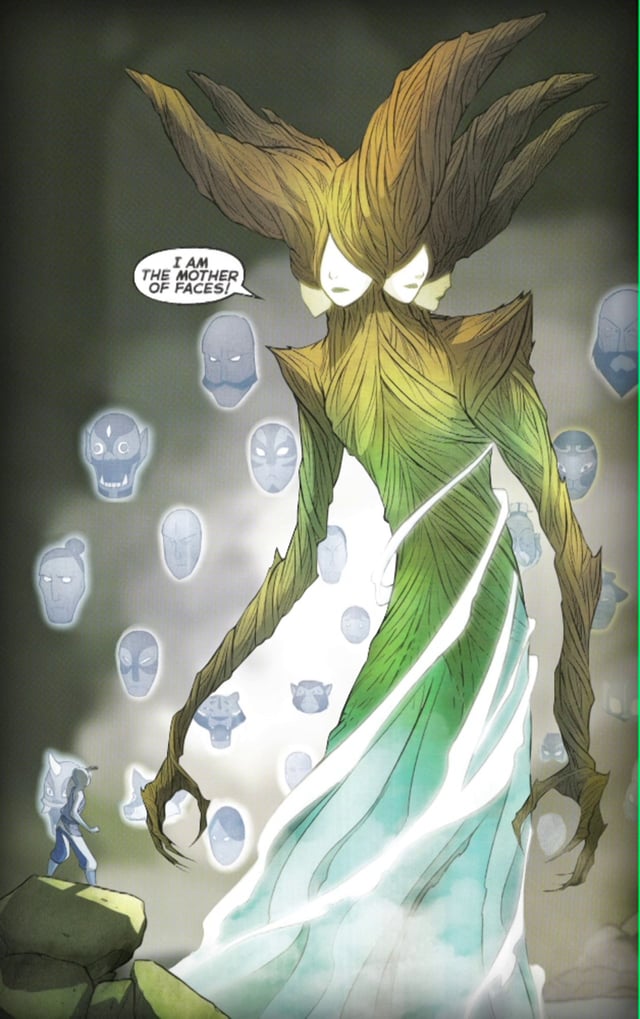
Mother of Faces

Whenever I watch the show, I am always impressed by how well the show creators did their homework.  Every time Chinese writing appears on screen, it is accurate, legible, and usually in perfect and artistic calligraphic form. Dark Horse (the publisher for the GN extensions) did the same: the letter that Zuko’s mom wrote and that we get to read on the background art is in the formal, literary style befitting the imagined time period (China/Asia a few hundred years ago?)  And now I am reading the third extended story: Avatar, the Last Airbender: The Rift.  It’s all about Toph Beifong (my personal favorite character in the show…) and will apparently bridge her story from the 2005 show to the recent Legend of Korra.  Two more volumes to go and another post to follow.

Leave a comment

Filed under Book Notes

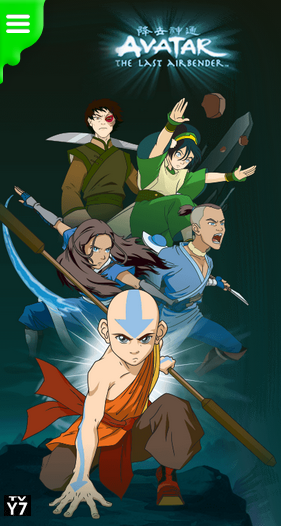
Avatar: The Last Airbender (TV show) Survey Report

avatar posterAvatar: The Last Airbender, the Nichelodeon channel animated show from 2005, has been and continues to be really popular with my middle and high school students.  (The show was created for even younger viewers.) I got curious and asked random internet users (via facebook, twitter, reddit, FCL, etc.) to fill out a form and tell me whether: “Avatar? OMG — AVATAR is MY LIFE!” or “This is the first time I have ever heard of this show,” and anything in between.  Although the respondents can choose from 12 different answers, I decided to consolidate them into four categories: Extreme Love, Positive, Neutral/Negative, and Never heard of/watched the show. Those who filled out the form also shared their demographic information and self-identified as one of the following: Asian or Asian American, White (Hispanic), White (Non-Hispanic), Black (Hispanic), Black (Non-Hispanic), Racially Mixed – part Asian, Racially Mixed – no Asian, Native American, or Other* * I had to take out a few responses (for example, a self-identified “penguin” – Oh, internet, you never fails to amuse me!) As you can see, the responses are really positive, just like those from my students and myself.  We are excited about the show, its spin-off Legend of Korra, and are happily reading the Graphic Novels series extending the storyline, and anxiously awaiting the new installments for both Aang, Katara, Zuko, Toph, Sokka storylines and the Korra storyline.  My notes on The Search by Gene Luen Yang will be posted tomorrow. If your browser can’t load this embedded chart, click on THIS LINK. I also asked for age ranges but decided to not include that information in the chart.

1 Comment

Filed under Field Reports

Who Publishes Caldecott Winning Titles (1996-2015)?

Inspired by Barbara Genco’s Caldecott by the numbers: Brooklyn edition (math is fun!), I did a little bit of my own unscientific investigation playing with a spreadsheet and a couple of charts: for the past 20 years of Caldecott winners and honor titles.  There are people more knowledgeable about the publisher/imprint situation and also where they are located (and were located when each individual title won the award) so please feel free to comment and correct.  I will update the blog entry when corrections are received and verified.

Summary by the number, from 1996 to 2015:

Illustrators

  • 87 titles received gold and silver medals (20 winner, 67 honor)
  • 18 individual Caldecott winning illustrators (David Wiesner and Chris Raschka both won twice)
  • 4 women were named medal winners (20%)
  • Out of the 67 honored titles, some illustrators were named more than once like Jerry Pinkney: 4x, Mo Willems, Brian Collier, and Peter Sis: 3x, Kadir Nelson, Melissa Sweet, Laura Vaccaro Seeger, Jon Klassen, 2x — not an exhaustive list, and some honored illustrators were also winners in other years, such as Jon Klassen, Brian Selznick, and David Wiesner.
  • 58 out of the 87 titles are illustrated by men (67%)

Imprints & Publishers

  • 32 individually named imprints
  • 17 publishers were named (after some consolidation*)
  • 10 titles are from publishers that do not operate mainly from the NYC offices – as to the best of my knowledge: Candlewick: 4x, Chronicle: 1x, Eerdmans: 2x, Harcourt: 3x, Beach Lane: 1x (11%)

* Please bear in mind that due to the nature of large companies incorporating smaller publishers with previous wins, the accounting can not be perfect.  (Roaring Brook, for example, was independent, then part of Millbrook, and now part of Macmillan, which in turn is actually a part of an even bigger company, Holtzbrinck Publishing Group.)

* Also recognize that children’s book publishing is a small world and there are but a few dozen companies operating in the U.S., eligible for the award.

Here are the two charts I made.  If you can’t see them here, please click on the links.

Caldecott Wins: By Imprint — The reddish area represents about 60% of the pie

Caldecott Wins: By Publisher — The reddish area represents about 87% of the pie

The information gathered for these charts are from the Official Caldecott Award Page. Readers might find it of interest to browse older winners and honor titles and discovered more facts, such as:

Finding some publishing names no longer with us: Lothrop, Bradbury, Scribner, Four Winds and the “original” Macmillan Children’s publishing group.

Some years the same publisher is awarded 2-3 times, for example: Orchard in 1997, 3 wins; Macmillan in 1972, 3 wins; Harper in 1971 2 wins

Before 1980s, Newbery and Caldecott were the SAME committee.


5 Comments

Filed under Field Reports, Views, WIWWAK

Sunday Select: August 2nd, 2015

FCLSS

Quote of the Week:

“When you hear, ‘black lives matter,’ don’t instinctively respond that all lives matter, as if one statement negates the other. Instead, try to understand why people of color might be compelled to remind the world that their lives have value.”  — Roxane Gay

Mostly About Children’s Books:

“What Children’s Publishers Read at Home with Kids” Compiled by Diane Roback — from Publishers Weekly.

“Newbery/Caldecott/Wilder Banquet Speech Videos” — from Association for Library Service to Children

“2015 LIS 7210 Library Materials for Children List” by Dr. Sarah Park Dahlen — from sarahpark.com: musings on korean diaspora, children’s literature, and adoption

“#WeNeedDiverseBlogs: Reviewing & Reading Diversely” hosted by Nicole Brinkley — from Twitter Discussion thread

Important Points to Consider:

“Of Lions and Men: Mourning Samuel DuBose and Cecil the Lion” by Roxane Gay — from The New York Times.

“American Racism in the ‘White Frame’” interview of Joe Feagan by George Yancy — from The New York Times

“The Hololcaust and White Privilege” by Monica Edinger — from Educating Alice

Leave a comment

Filed under Field Reports, Views

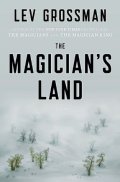
The Magician’s Land by Lev Grossman
magicianslandThe Magician’s Land by Lev Grossman

The third, the final, and my favorite installment of the Magician’s trilogy.  A total love song to traditional children’s fantasy stories for grown-ups who have still yet to grow out of being enchanted completely by those tales (me). Thankfully, Quentin finally stopped being the annoying whinny young man that he was in the first two volumes, so my irknedness level was way down, making the reading experience a complete delight from beginning to end.  Lots of quotable little observations about fantasy story-making and world-building and about being a creative and self-reflective and forgiving (to self and others) human being.

Leave a comment

Filed under Book Notes

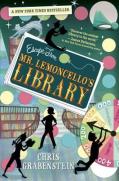
Escape from Mr. Lemoncello’s Library by Chris Grabenstein

lemoncelloEscape from Mr. Lemoncello’s Library by Chris Grabenstein

I can easily understand why my 4th grade students have raved about this one: there’s the thrill of watching a complex puzzle being solved, the excitement of exploring new friendship, the coziness of strengthening old friendship, and the novelty of discovering inventions of a high-tech, but still story-filled, library.  Plus a little bit of safe scare: facing down and defeating villains that really aren’t that threatening from beginning to end. This is old school children’s mystery fun.

Leave a comment

Filed under Book Notes